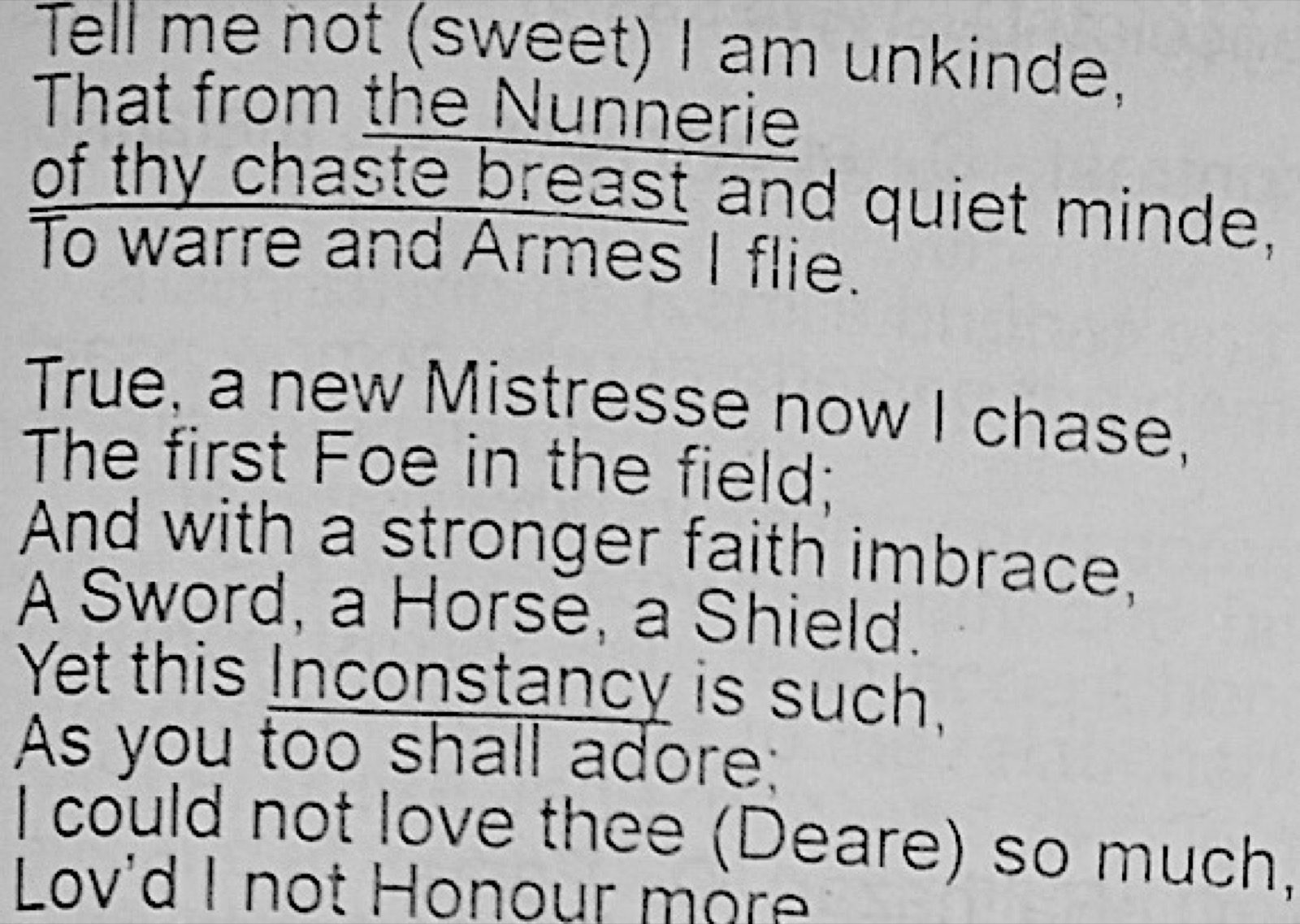
Lines that usually have a set pattern of metre and rhyme constitute
A.stanza
B.verse
C.rhyme scheme
D.falling metre.
Show the answer and explanation
Answer: A (stanza)
Explanation
A stanza is a group of lines in a poem that usually follows a set pattern of metre and rhyme, like a paragraph in prose. The rhyme scheme is just the pattern of rhymes inside it.
The Merchant of Venice (William Shakespeare). “Your exposition” refers to
A.legal knowledge
B.plea for mercy
C.exercise of justice
D.enactment of the law.
Show the answer and explanation
Answer: A (legal knowledge)
Explanation
An exposition is an explanation. Shylock says the young judge knows the law and has explained it soundly, so 'your exposition' refers to the judge's legal knowledge.
Literature 2, Section A: African Drama. James Ngugi: The Black Hermit Discuss the character of Thoni in the play, bringing out its significance
Show the model answer
Model answer
Thoni was married to Remi's elder brother; at his death she is inherited by Remi according to custom. She is a dutiful, traditional, obedient woman who respects the customs of the tribe. She is loving and patient: she waits for Remi when he runs to the city. She is lonely and suffers deeply from Remi's neglect; she is close to his mother Nyobi. She takes her own life when she learns that Remi has come back to reject her. Significance: she shows the position of women under custom and the human cost of Remi's flight; her death is the tragic climax and brings Remi to realise his failure.
Literature 2, Section A. James Ngugi: The Black Hermit To what extent do the characters realise their ambitions in the play?
Show the model answer
Model answer
Remi wants freedom from custom and to lead his people into modern politics; he fails, isolated in the city and returning too late. Thoni hopes for a married life with Remi; she is rejected and dies. Nyobi wants her son home and the family whole; she loses Thoni and her hopes. The Elders want Remi to return and lead the tribe; he does return, but it brings tragedy rather than unity. Jane hopes to keep Remi in the city; he leaves her. Conclusion: hardly anyone fully realises his or her ambition; the play shows the frustration caused by the clash of tradition and change.
Literature 2, Section A. Wole Soyinka: The Lion and the Jewel Consider the dramatic significance of the first meeting between Lakunle and Baroka
Show the model answer
Model answer
Baroka arrives in the middle of the mime of the Lost Traveller, and the villagers greet him with respect. He teases Lakunle, the schoolteacher, who is taking part in the dance and who shows hostility and envy towards him. It introduces the central conflict between tradition (Baroka) and modernity (Lakunle). It reveals Baroka's authority, wit and confidence and Lakunle's shallowness and hypocrisy. Baroka notices Sidi's photographs: the start of his plan to win her, which drives the plot. It creates humour and suspense.
Explanation
Explain what the scene reveals about character, theme and plot.
Literature 2, Section A. Wole Soyinka: The Lion and the Jewel Compare and contrast the characters and roles of Sidi and Sadiku in the play
Show the model answer
Model answer
Sidi: young, beautiful village belle; proud and vain after her pictures appear in the magazine; innocent; ends by marrying Baroka. Sadiku: Baroka's eldest wife, old, experienced; serves as his go-between to woo new wives. Both are tricked by Baroka, who uses Sadiku to spread the false story of his impotence and so lures Sidi. Sadiku rejoices at the supposed defeat of the 'lion' (dance around the carving), showing her delight in women's victory over men. Sidi's role: the prize (the jewel) in the contest between Lakunle and Baroka. Sadiku's role: link between Baroka and Sidi; source of humour; keeper of tradition.
Explanation
Give likenesses and differences in character and role.
Literature 2, Section B: Non-African Drama. T. S. Eliot: Murder in the Cathedral How does the chorus contribute to the action of the play?
Show the model answer
Model answer
The Chorus are the poor women of Canterbury, as in Greek tragedy. They open the play, giving background and expressing fear of Becket's return. They create the atmosphere of foreboding and doom through imagery of nature, seasons and animals. They beg Becket to leave and reflect on the danger, raising tension. They show how ordinary people are affected by the struggle between Church and state. After the murder they voice horror and finally praise God and accept Becket's sacrifice, showing their spiritual growth. They link the scenes and guide the audience's response.
Literature 2, Section B. T. S. Eliot: Murder in the Cathedral Discuss the view that Thomas' martyrdom is self-imposed
Show the model answer
Model answer
For the view: Becket returns to Canterbury knowing his life is in danger. He refuses the priests' pleas to escape, and orders the doors to be unbarred. He provokes the Knights by refusing to absolve the bishops or to obey the King. The Fourth Tempter suggests he seeks martyrdom for glory; the Knights call it 'suicide while of unsound mind'. Against the view: he rejects the motive of personal glory and submits his will to God's. His sermon says a true martyr is chosen by God, not by himself; he dies for the Church's authority. Conclusion: he accepts death rather than seeks it; the martyrdom is God's design, though he does not avoid it.
Literature 2, Section B. Richard B. Sheridan: The Rivals Discuss the theme of mistaken identity in the play.
Show the model answer
Model answer
Jack Absolute courts Lydia disguised as poor Ensign Beverley because she wants a romantic, penniless lover. Sir Anthony and Mrs Malaprop arrange for Lydia to marry Captain Absolute, not knowing he is Beverley. Mrs Malaprop writes as 'Delia' to Sir Lucius O'Trigger, who believes Delia is Lydia. Bob Acres challenges Beverley to a duel without knowing he is his friend Jack. These confusions create comedy, dramatic irony and the climax at the duel. When identities are revealed, the misunderstandings are cleared and the lovers are united. The theme also mocks pretence and romantic illusions.
Literature 2, Section B. Richard B. Sheridan: The Rivals Comment on the relationship between Julia and Faulkland.
Show the model answer
Model answer
Julia (Sir Anthony's ward) and Faulkland are engaged; their story is the sentimental sub-plot. Faulkland is jealous, anxious and over-sensitive; he doubts Julia's love and is upset when she is cheerful in his absence. Julia is sensible, patient, loyal and deeply in love; she bears his moods. He tests her by pretending he must flee after a duel; she agrees to go with him, then is hurt when she discovers the trick, and leaves him. At the end Julia forgives him and they are reconciled. Significance: contrasts with the Lydia-Jack plot; Sheridan mocks Faulkland's excessive sensibility and praises Julia's good sense.
Literature 2, Section C: African Poetry Examine the elements of culture in J. P. Clark's “Abiku”.
Show the model answer
Model answer
The belief in abiku: a spirit child that is born, dies and returns again and again to the same mother. The parents plead with the child to stay, appealing to its pity: the poorness of the house, the mother's weariness. Marks on returning abiku children (scars, notched ears) to recognise them. Village setting: the bamboo house, the harmattan, rain and the leaking roof; the hearth and offerings. Belief in spirits living in trees such as the baobab; the link between the living and the dead. The poem treats this traditional belief with sympathy; culture shapes both content and imagery.
Literature 2, Section C. African Poetry Discuss the theme of “No Coffin, No Grave”.
Show the model answer
Model answer
Jared Angira's poem tells of a rich, powerful politician who is shot dead. Theme: the vanity and emptiness of power and wealth; death levels everyone. He had planned a grand burial in a costly coffin under the jacaranda tree beside his palace, but ends with no coffin and no grave, eaten by scavengers. His lavish, wasteful life contrasts with the poverty of the masses. Political violence and corruption: the violent end is the result of the politics he took part in. Irony and sarcasm (gun salute, 'expert' politician) carry the theme.
Literature 2, Section D: Non-African Poetry Discuss the theme of permanence and change in “Is my team Ploughing”?
Show the model answer
Model answer
A. E. Housman's poem is a dialogue between a dead young man and his living friend. The dead man asks whether his team is ploughing, whether football is played, whether his girl still grieves, whether his friend is well. Permanence: the work of the farm and the games go on as before; life continues. Change: he is gone and soon forgotten; his girl no longer weeps and is now with the friend, who sleeps in the dead man's place. The question-and-answer form brings out the contrast between the permanence of life's routines and the change brought by death. Tone: ironic and sad; the world quickly moves on.
Literature 2, Section D. Non-African Poetry What aspects of the character of Ulysses are presented in “Ulysses”?
Show the model answer
Model answer
Restless and adventurous: 'I cannot rest from travel'. Hungry for knowledge and experience: to 'follow knowledge like a sinking star'. Proud of his achievements and fame. Impatient with the dull life of a king among a 'savage race'. Determined in old age: 'To strive, to seek, to find, and not to yield'. A leader of his mariners; practical in leaving rule to his son Telemachus.
Literature 3, Section A: African Prose. Ayi Kwei Armah: The Beautyful Ones Are Not Yet Born Discuss the significance of the timber contractor's visits to the man's office.
Show the model answer
Model answer
Amankwa, a timber contractor, comes to the railway office and asks the man to book wagons for his timber. He offers the man a bribe, which the man refuses; Amankwa cannot believe it and thinks he wants more. He gets his booking through another clerk. Significance: shows that bribery is normal in society and honesty looks foolish. Shows the man's integrity and his isolation. Leads to the pressure at home: his wife Oyo blames him for refusing what others accept. Develops the theme of corruption and the 'gleam' of money.
Explanation
Describe the visit(s) and explain the significance.
Literature 3, Section A. Ayi Kwei Armah: The Beautyful Ones Are Not Yet Born Examine the relationship between the man and his mother-in-law, bringing out its significance.
Show the model answer
Model answer
The man's mother-in-law despises him because he is poor and honest. She admires Koomson's wealth and wants her family to share it. She supports the boat deal with Koomson, which the man refuses to sign. The man feels inadequate and silent in her presence. Significance: shows the pressure of family and society on the honest man; materialism even within the family. Contrast: after the coup, when Koomson is disgraced, the family sees the value of the man's honesty.
Explanation
Describe the relationship and explain its importance.
Literature 3, Section A. Chinua Achebe: Anthills of the Savannah Discuss the significance of His Excellency's cabinet meeting
Show the model answer
Model answer
The novel opens with a cabinet meeting at which His Excellency humiliates his commissioners. He rages over the Abazon delegation and his failure to win the referendum for life presidency. Commissioners like the Attorney General and Professor Okong flatter him; most are afraid. Chris Oriko, the narrator, stays quiet and ironic. Significance: introduces the main characters and the tension between Sam and his friends. Shows the growth of dictatorship, sycophancy and fear in the government. Prepares the conflict that leads to Ikem's dismissal and the novel's tragedy.
Literature 3, Section A. Chinua Achebe: Anthills of the Savannah Comment on the character and role of Chris Criko
Show the model answer
Model answer
(The book prints 'Criko'; the character is Chris Oriko.) Commissioner for Information; schoolmate and friend of Sam and Ikem. Intelligent, calm, cautious and ironic; tries to stay neutral between Sam and Ikem. Loyal: refuses to betray Ikem and is forced to flee. Beatrice's lover; brave in the end. Role: one of the narrators; links the main characters; through him we see the inside of government. His escape north reveals the country's suffering; he is shot by a police sergeant while stopping him from assaulting a girl.
Literature 3, Section B: Non-African Prose. Daniel Defoe: Robinson Crusoe How does Crusoe survive on the island before Friday's arrival?
Show the model answer
Model answer
He makes many raft trips to the wreck and saves tools, guns, powder, food, clothes and other goods. He builds a fortified dwelling with a fence and cave for safety and storage. He hunts goats and birds, later tames and breeds goats for milk and meat. He grows barley and rice from accidentally scattered seed and makes bread. He makes pots, baskets, furniture, clothes and an umbrella from skins. He keeps a calendar and journal, and finds comfort in the Bible and prayer. Hard work, planning and faith keep him alive and sane.
Literature 3, Section B. Daniel Defoe: Robinson Crusoe Bring out the significance of Robinson Crusoe's first voyage.
Show the model answer
Model answer
Against his father's advice, young Crusoe sails from Hull for London. A storm frightens him and he vows to go home, but forgets it when the weather calms. A worse storm off Yarmouth sinks the ship; the crew is rescued. The captain warns him never to go to sea again, as a sign from heaven. Significance: shows his restless, disobedient character; begins the theme of sin, warning and providence. Foreshadows his later disasters and shipwreck.
Literature 3, Section B: Thomas Hardy: Tess of the d'Urbervilles Comment on the significance of Alec Durberville's death.
Show the model answer
Model answer
When Angel returns, Tess, in despair at having gone back to Alec, stabs him at Sandbourne. Significance: releases Tess from the man who ruined her life; a kind of justice for his wrongs. Shows her desperation and the depth of her love for Angel. Gives Tess and Angel a few days of happiness together. Leads to her arrest at Stonehenge and execution, completing the tragedy. Hardy's comment ('the President of the Immortals ... had ended his sport with Tess') shows fate's role.
Literature 3, Section B. Thomas Hardy: Tess of the d'Urbervilles Discuss the love between Tess and Angel.
Show the model answer
Model answer
Angel first sees Tess at the May-dance but does not dance with her. They fall in love at Talbothays dairy; their love grows with the season. Tess hesitates to marry because of her past but finally agrees. On the wedding night she confesses; Angel cannot forgive her and leaves for Brazil. Tess remains faithful and suffers in poverty; Angel's love is idealised and fails the test. Angel returns repentant; after Alec's death they share a brief happiness before her arrest. Their love shows the clash between ideals and reality, and the double standard of society.