(a)(i) State five benefits of keeping bees. (ii) Outline the steps involved in establishing an apiary. (b)(i) State five ways of enhancing the productivity of a pig farm. (ii) State five management practices that are carried out on piglets from birth to weaning.
Show the model answer
Model answer
(a)(i) Any five: honey for food and medicine; beeswax; royal jelly, propolis; pollination of crops; income/employment; needs little land and capital; foreign exchange; bee venom for medicine (ii) Select a quiet, shaded site with water and flowering plants, away from homes and roads; clear the site; set up stands and hives; bait the hives (beeswax, honey) to attract a colony or introduce bees; inspect regularly for colonisation; fence and put up warning signs (b)(i) Any five: keep improved breeds; balanced feeding; good housing and sanitation; disease and parasite control (vaccination, deworming); good breeding programme, avoid inbreeding; culling of unproductive pigs; record keeping; adequate water; trained labour (ii) Any five: cut and disinfect the navel cord; ensure piglets suck colostrum; clip needle teeth; iron injection (against anaemia); identification (ear notching); castration of males not for breeding; creep feeding; provide warmth/guard rails to prevent crushing; tail docking; deworming
Explanation
List distinct points; give the apiary steps in order.
(a) List three equipment used on a dairy farm. (b) Outline the steps involved in the pasteurization of milk. (c) State four roles of each of the following agents in the marketing of animal products: (i) wholesaler; (ii) retailer. (d) State three advantages of each of the following agents involved in the marketing of animal products: (i) marketing boards; (ii) co-operative societies.
Show the model answer
Model answer
(a) Any three: milking machine; milk can/bucket; milk cooler/refrigerated tank; cream separator; feed and water troughs; weighing scale; drenching gun; hay fork; restraining crush (b) Collect and filter the milk; heat to 63 °C for 30 minutes (or 72 °C for 15 seconds); cool quickly to about 4–10 °C; package in clean containers and store cold (c)(i) Wholesaler, any four: buys in bulk from producers; stores the products; transports them; breaks bulk for retailers; gives credit to retailers; finances producers; passes market information (ii) Retailer, any four: buys from wholesalers; sells in small quantities to consumers; brings goods near consumers; gives credit to customers; passes consumers' views to wholesalers; packages and displays products (d)(i) Marketing boards, any three: stable/guaranteed prices for farmers; buy all produce offered; quality control/grading; storage facilities; finance research and development (ii) Co-operative societies, any three: better prices through bulk selling; loans/credit to members; buy inputs cheaply in bulk; reduce exploitation by middlemen; storage and transport facilities; education of members
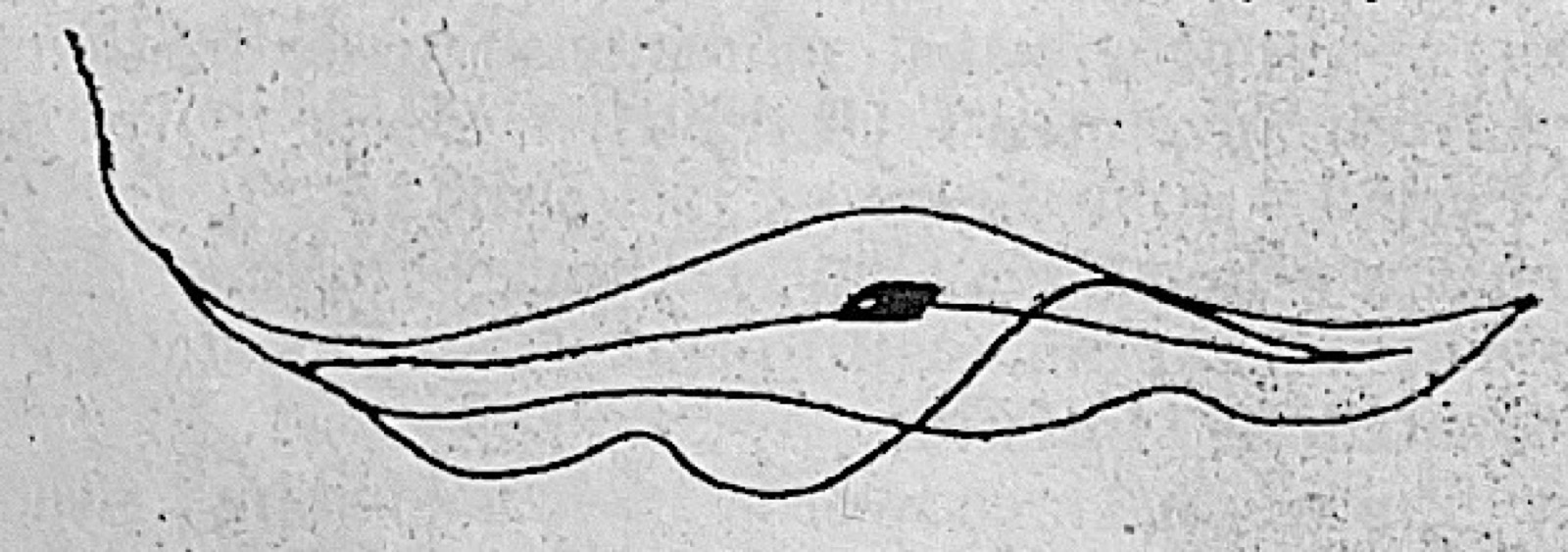
(a)(i) Describe the life cycle of louse. (ii) State three effects of louse on its host. (iii) State three ways in which louse could be controlled. (iv) Name three farm animals that could be infested by louse. (b) Discuss coccidiosis in farm animals under the following headings: (i) two animals mostly affected; (ii) causal agent; (iii) two symptoms; (iv) two control measures.
Show the model answer
Model answer
(a)(i) Louse has incomplete metamorphosis on one host: the adult female lays eggs (nits) and glues them to the hairs/feathers; eggs hatch in about 1–2 weeks into nymphs; nymphs moult about three times and become adults in 2–3 weeks; the whole cycle is spent on the host (ii) Any three: irritation and itching, so animal rubs and loses hair/feathers; sucking lice cause anaemia from blood loss; restlessness, poor feeding and loss of weight; drop in milk/egg production; damaged skin/hide; may carry diseases (iii) Any three: dipping or spraying with insecticide; dusting with insecticide powder; good sanitation of houses; isolating/treating infested animals; avoiding overcrowding; clipping/shearing (iv) Any three: cattle; goats; sheep; pigs; poultry; rabbits (b)(i) Any two: poultry; rabbits; cattle (calves); sheep and goats (ii) Causal agent: protozoa of the genus Eimeria (iii) Any two: bloody/watery diarrhoea; ruffled feathers and droopy wings; loss of appetite and weight; dullness/weakness; anaemia; sudden deaths in young (iv) Any two: coccidiostats in feed or water (e.g. amprolium, sulpha drugs); keep litter dry and clean; avoid overcrowding; clean feeders and drinkers; isolate sick animals; vaccination
(a) Define the term artificial pasture as used in animal production. (b) State six advantages of grass-legume mixtures in a pasture. (c)(i) Mention three management systems used in keeping small ruminants. (ii) State three characteristics of each of the management systems mentioned in (c)(i).
Show the model answer
Model answer
(a) Artificial pasture: land on which selected forage grasses and legumes have been planted and are managed by the farmer for grazing animals (b) Any six: legumes fix nitrogen and improve soil fertility; feed is more balanced (legumes give protein, grasses energy); higher total yield; better palatability; better ground cover, so less erosion and weeds; grass supports climbing legumes; longer grazing season; reduces need for fertilizer (c)(i) Extensive (free range); semi-intensive; intensive (ii) Extensive, any three: animals roam freely to find food; little or no housing; low cost; high losses from theft, disease and accidents; low productivity. Semi-intensive, any three: animals housed part of the time and grazed in fenced paddocks; supplementary feeding; moderate cost and productivity. Intensive, any three: animals kept indoors all the time; all feed and water brought to them; high capital and labour; high productivity; easy disease control and record keeping
Explanation
In (c)(ii), give three features under each system.
(a) Mention five characteristics considered during selection of livestock for breeding. (b) State five characteristics of a Zebu cattle. (c) State five functions of water in farm animals. (d) List five nutritional disorders in farm animals.
Show the model answer
Model answer
(a) Any five: high production (milk, meat, eggs); fast growth rate; good feed conversion; disease resistance; high fertility/prolificacy; good mothering ability; good conformation and health; adaptation to the environment; docility (b) Any five: has a hump over the shoulders; long legs; large dewlap and loose skin; drooping ears; long horns (e.g. White Fulani); tolerant of heat and ticks; susceptible to trypanosomiasis; found in the dry northern savanna (c) Any five: regulates body temperature; medium for chemical reactions; dissolves and transports nutrients and wastes; part of body fluids such as blood and milk; aids digestion and excretion; lubricates joints; keeps cells turgid/maintains body shape (d) Any five: rickets; milk fever (hypocalcaemia); grass tetany (hypomagnesaemia); anaemia; goitre; bloat; ketosis; scurvy/vitamin deficiencies (night blindness); white muscle disease; pica
(a) Mention five advantages and three disadvantages of castration in livestock production. (b)(i) Draw and label five parts of the digestive system of a domestic fowl. (ii) State one function of each of the parts labelled in (b)(i).
Show the model answer
Model answer
(a) Advantages, any five: prevents indiscriminate mating and inbreeding; makes animals docile and easy to handle; improves meat quality/removes boar taint; faster fattening; allows males and females to be kept together; prevents breeding by inferior males Disadvantages, any three: risk of infection and bleeding; pain and stress, temporary loss of weight; animal can no longer be used for breeding; lower growth rate than intact males in some species; may die if done badly (b)(i) A neat, labelled drawing showing any five of: beak/mouth, oesophagus, crop, proventriculus, gizzard, small intestine (duodenum, ileum), liver, pancreas, caeca, large intestine/rectum, cloaca (ii) Beak: picks up food; oesophagus: carries food to the crop; crop: stores and softens food; proventriculus: secretes gastric juice; gizzard: grinds food with grit; small intestine: digestion and absorption; liver: produces bile; pancreas: produces digestive enzymes; caeca: fibre digestion/water absorption; cloaca: passes out faeces and urine, eggs
Explanation
Your drawing should have clear label lines and a title.