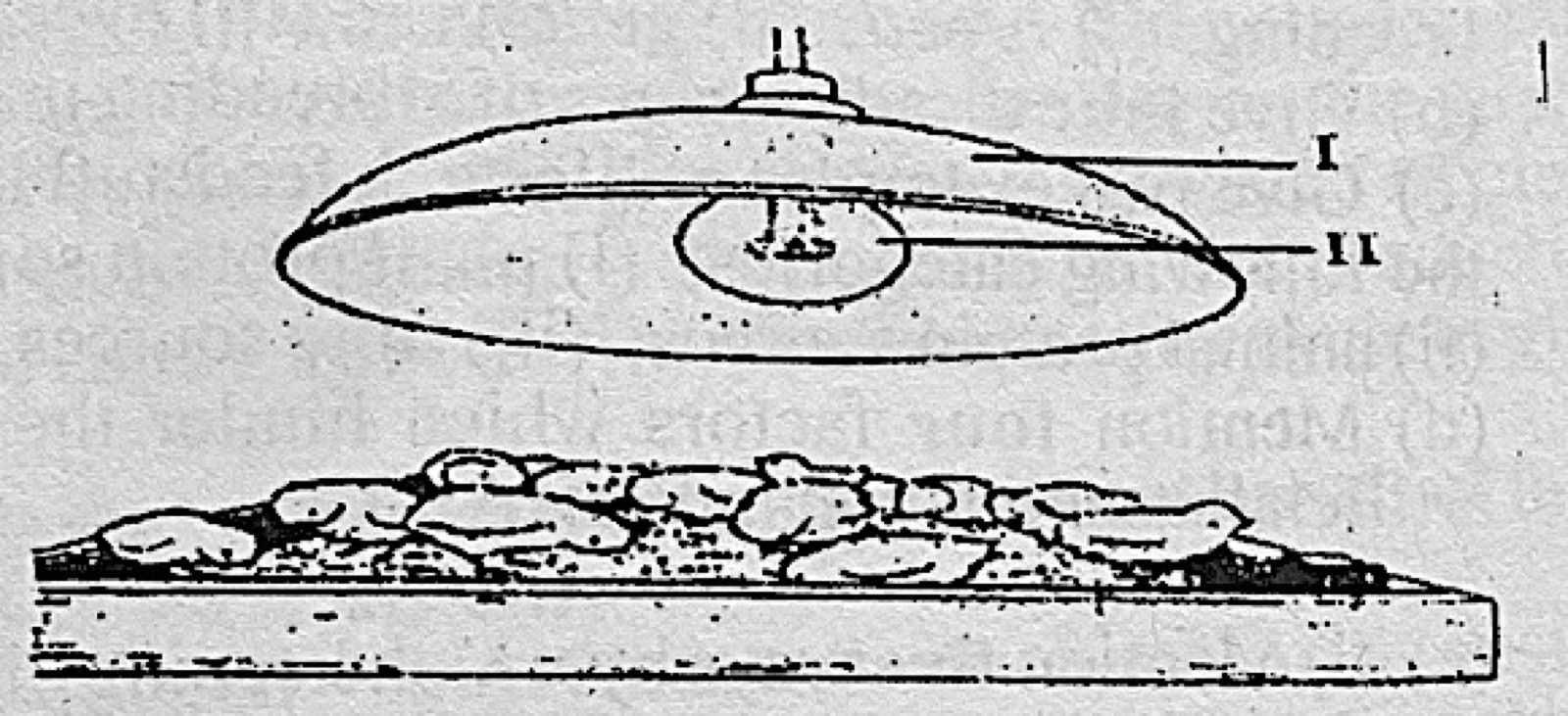
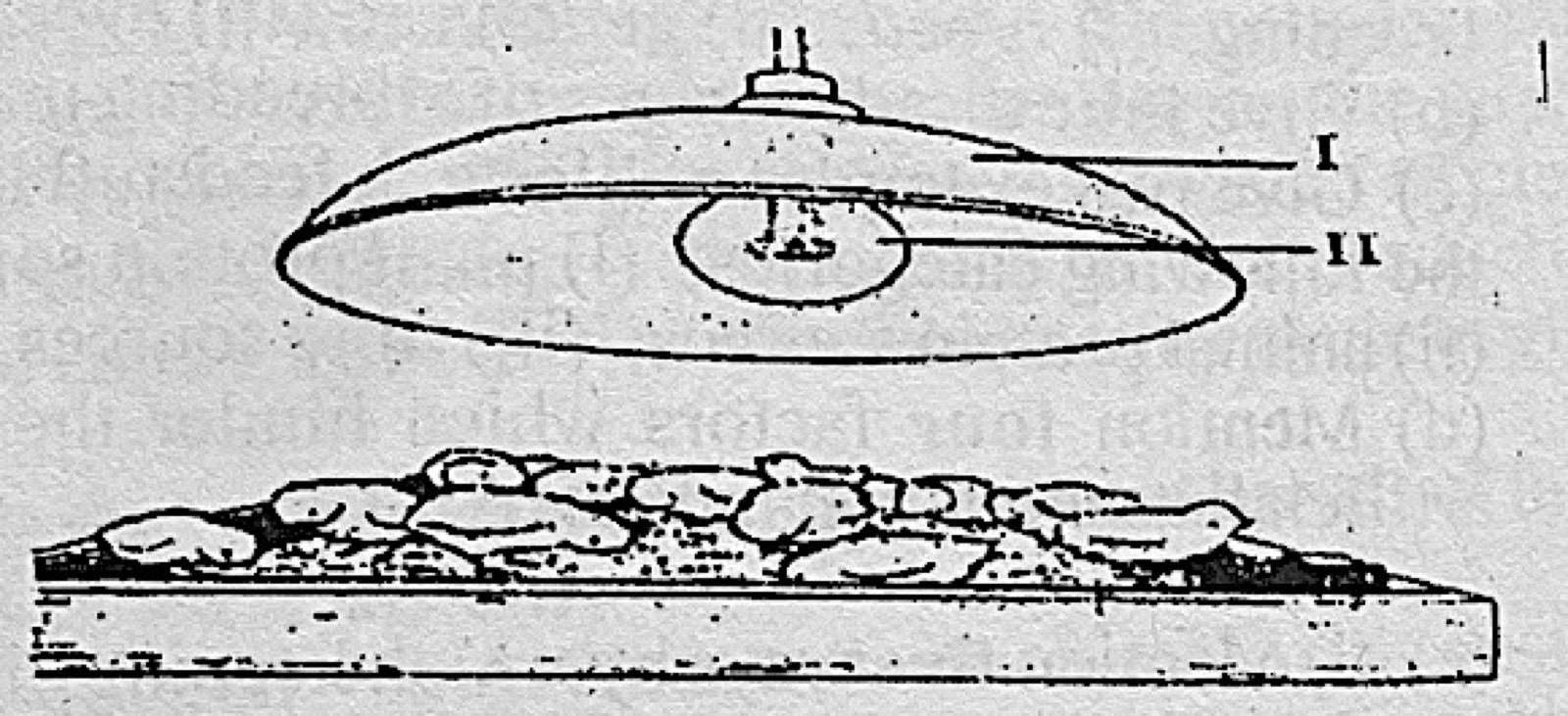
The diagram below illustrates a management practice in poultry production. Which of the following equipment cannot perform similar function as the part labelled II?
A.Lantern.
B.Stove.
C.Thermometer.
D.Heater.
Show the answer and explanation
Answer: C (Thermometer.)
Explanation
II is the heat source; a thermometer only measures temperature and gives no heat.
Which of the following activities would help to achieve early market weight of a calf? I. Placing it on a special diet II. Restricting its movement III. Regular vaccination
A.I and II only
B.I and III only
C.II and III only
D.I, II and III
Show the answer and explanation
Answer: A (I and II only)
Explanation
A rich diet and limited movement (less energy used) make the calf gain weight faster.
(a) State four differences between the digestive systems of cattle and poultry. (b) Mention four ways of reducing worm infestation in farm animals. (c) Explain three methods that could be used to improve local breeds of farm animals in West Africa. (d) State three benefits of carrying out each of the following management practices in animal production: (i) creep feeding; (ii) dehorning.
Show the model answer
Model answer
(a) Any four (cattle vs poultry): teeth with dental pad vs beak without teeth; four-chambered stomach vs proventriculus and gizzard; no crop vs crop; ruminate vs do not ruminate; microbial fibre digestion in rumen vs little fibre digestion; one caecum vs two caeca; ends in anus vs cloaca (b) Any four: regular deworming; rotational grazing; good sanitation/removing dung; avoid grazing wet, swampy land; clean feed and water; control intermediate hosts (snails); avoid overcrowding; quarantine new animals (c) Any three, each explained: selection – keep the best local animals for breeding and cull poor ones; introduction – bring in improved exotic breeds; crossbreeding – mate local with exotic breeds for hybrid vigour; artificial insemination – use semen from superior bulls; better feeding and health care so animals reach their potential (d)(i) Creep feeding, any three: faster growth of the young; prepares young for weaning/solid feed; reduces strain on the mother; heavier weaning weight; reduces mortality (ii) Dehorning, any three: prevents injury to other animals and handlers; animals easier to handle; less space needed in pens, troughs and transport; reduces bruising of carcass and damage to hides
(a) Give six benefits of good housing in the production of farm animals. (b) Give four reasons why goats of different ages should be housed separately. (c) State five activities that should be carried out in a brooder house before receiving a new batch of chicks. (d) Name one farm animal from which each of the following products could be obtained: (i) pelt; (ii) bristle; (iii) mohair; (iv) veal; (v) lard;
Show the model answer
Model answer
(a) Any six: protection from bad weather; protection from thieves and predators; easier feeding and management; disease control; separation by age, sex or purpose; easier record keeping; easier collection of manure, eggs or milk; better productivity; prevents damage to crops (b) Any four: prevents bullying and injury of young by older goats; allows feeding according to age; prevents spread of disease to the young; prevents unwanted/early mating; makes management and records easier; young get fair access to feed and water (c) Any five: clean and wash the house; disinfect/fumigate; repair the house; spread fresh dry litter; set up and test heat source (pre-heat the brooder); arrange clean feeders and drinkers; place a brooder guard; put a footbath at the entrance; get feed, water and drugs ready (d)(i) Pelt: rabbit (or sheep, goat) (ii) Bristle: pig (iii) Mohair: Angora goat (iv) Veal: calf (cattle) (v) Lard: pig
(a) Explain each of the following terms as used in animal breeding; (i) breed; (ii) genotype; (iii) hybrid. (b) Give four disadvantages of inbreeding in farm animals (c) Give two examples of lifestock feedstuff under each of the following categories: (i) plant protein sources; (ii) animal protein sources; (iii) fibre sources. (d) Mention four factors which hinder the adoption of artificial insemination in West Africa.
Show the model answer
Model answer
(a)(i) Breed: a group of animals of the same species with similar characteristics that pass these on to their offspring (ii) Genotype: the genetic make-up of an animal for a trait, e.g. TT, Tt, tt (iii) Hybrid: the offspring of parents of different breeds or genetic types (b) Any four: reduced vigour (inbreeding depression); lower fertility; slower growth; more harmful recessive defects; lower disease resistance; higher death rate of young (c)(i) Plant protein, any two: groundnut cake; soya bean meal; cottonseed cake; palm kernel cake (ii) Animal protein, any two: fish meal; blood meal; meat and bone meal; feather meal (iii) Fibre, any two: wheat offal; rice bran; maize bran; hay; corn cob; brewers' dried grain (d) Any four: lack of trained inseminators; high cost of equipment and liquid nitrogen; poor storage facilities and electricity; poor heat detection; extensive/nomadic herding; illiteracy and beliefs of farmers; poor roads to reach farms; few AI centres
(a) (i) Mention five ways by which keeping of honey bee is important. (ii) State four equipment used in bee keeping. (b) A rabbit weighing 200g after feeding on 500g concentrate over a period of time gained 80g. Calculate the: (i) feed conversion ratio of the rabbit; (ii) new weight of the rabbit; (c) Mention three fodder crops which could be fed to rabbits. (d) Give three advantages of cross breeding in cattle production.
Show the model answer
Model answer
(a)(i) Any five: honey for food and medicine; beeswax; propolis and royal jelly; pollination of crops; income and employment; foreign exchange; needs little land (ii) Any four: hive (Kenya top-bar/Langstroth); smoker; veil/protective suit; gloves; hive tool; bee brush; honey extractor; queen excluder (b)(i) FCR = feed eaten ÷ weight gain = 500 g ÷ 80 g = 6.25 (6.25 : 1) (ii) New weight = 200 g + 80 g = 280 g (c) Any three: Tridax procumbens; Centrosema; Pueraria; elephant grass; Guinea grass; Stylosanthes; Leucaena; Gliricidia; sweet potato vines; Aspilia (d) Any three: hybrid vigour (faster growth, higher yield); combines good traits of both breeds (e.g. adaptation of local with yield of exotic); better fertility; better disease resistance; quick improvement
(a) State five benefits of feed additives in poultry diets. (b) State five importance of middlemen in marketing of eggs. (c) Name the causative agent and one animal that could be affected by each of the following farm animal diseases; (i) Anthrax; (ii) Coccidiosis; (iii) Aspergillosis. (d) State four factors associated with variation in sexual maturity within the same species of animals.
Show the model answer
Model answer
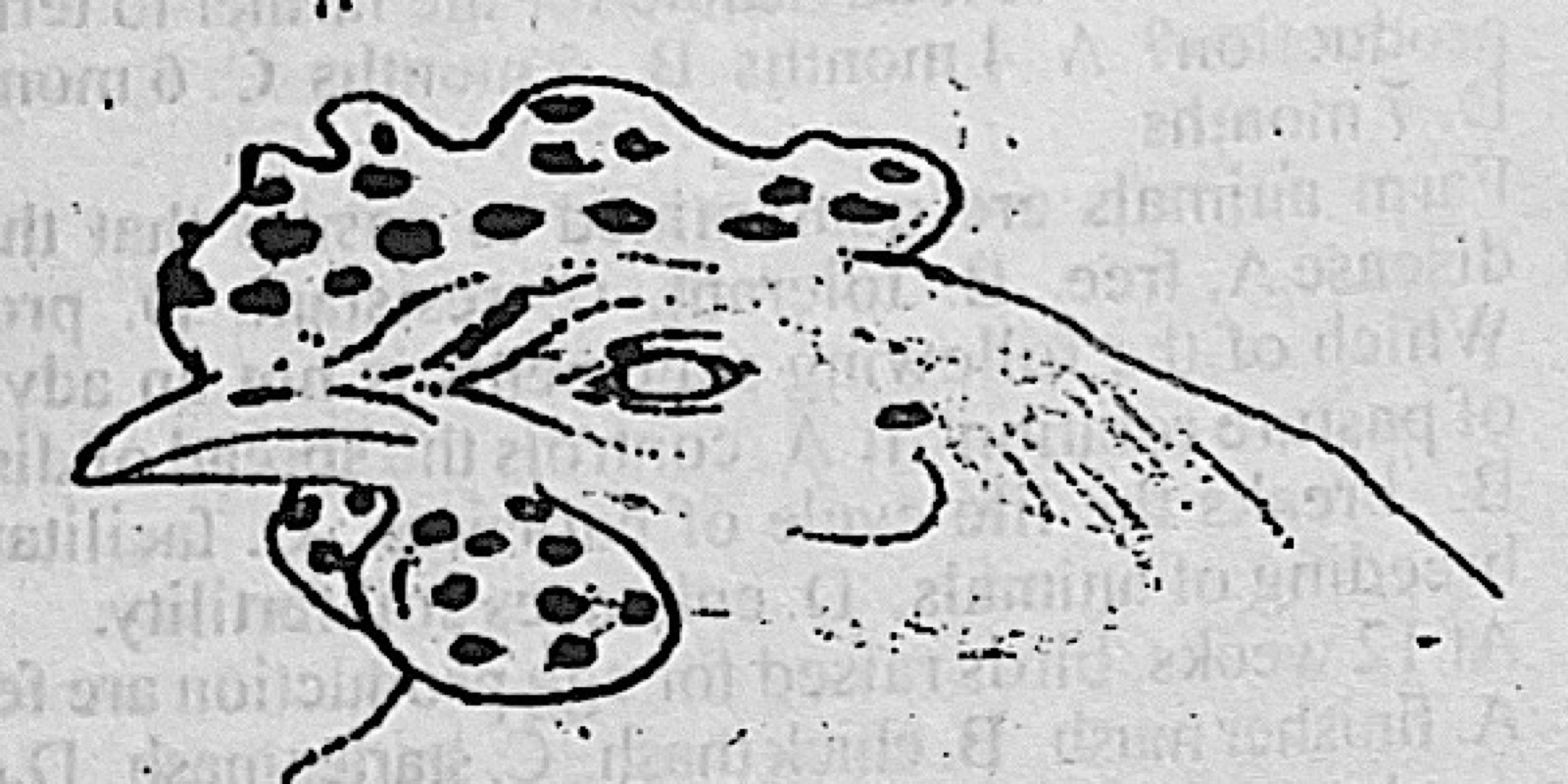
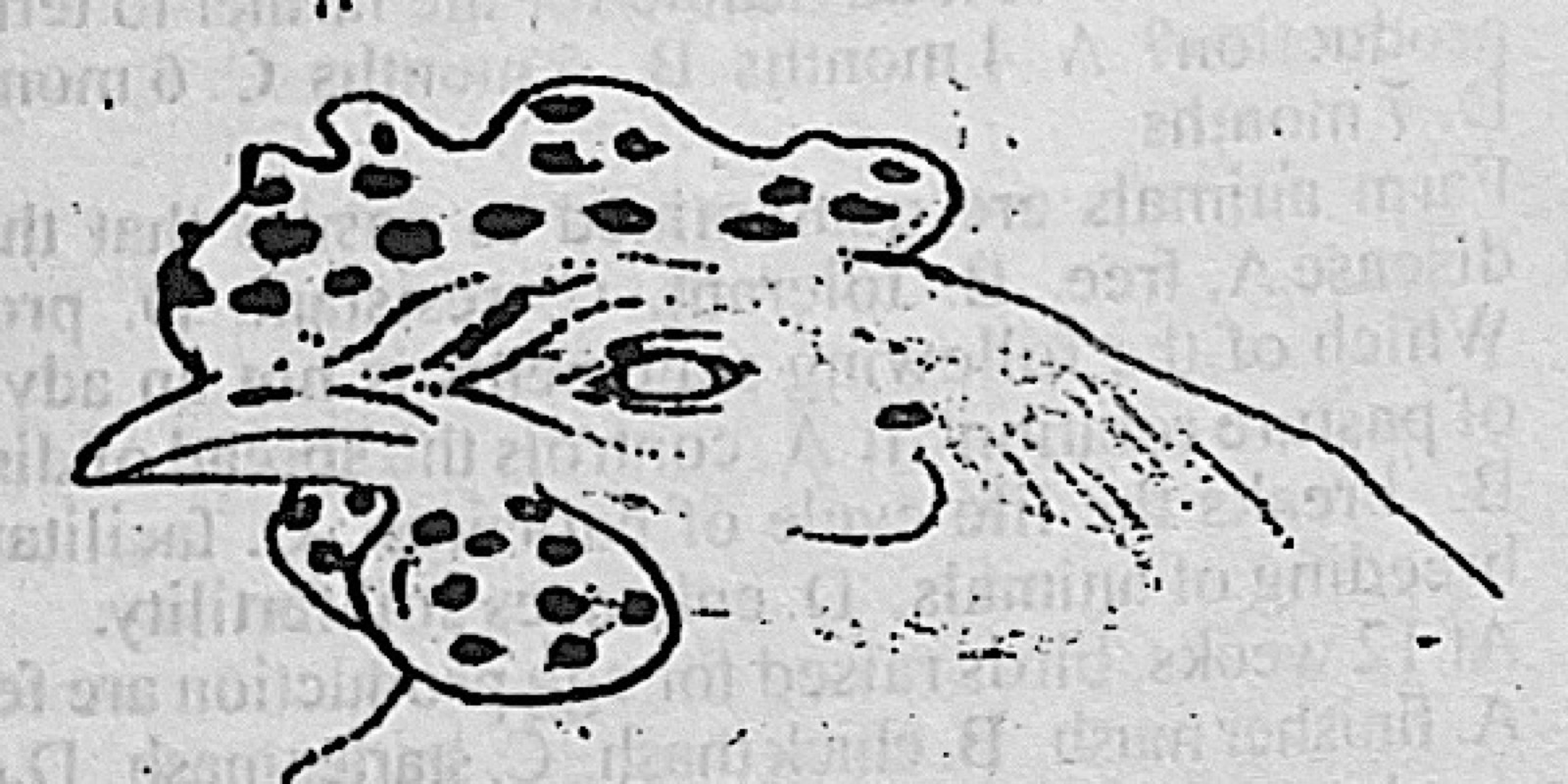
(a) Any five: faster growth; better feed conversion; prevent diseases (antibiotics, coccidiostats); improve egg yolk colour; preserve feed (antioxidants, mould inhibitors); improve palatability; supply vitamins and minerals (b) Any five: buy eggs from farmers in bulk; store eggs; transport eggs to markets; grade and package eggs; break bulk for retailers; give credit/finance to farmers; carry market information; bear risks such as breakage (c)(i) Anthrax: bacterium Bacillus anthracis; cattle (also sheep, goats) (ii) Coccidiosis: protozoan Eimeria spp.; poultry (also rabbits, calves) (iii) Aspergillosis: fungus Aspergillus fumigatus; poultry (chicks) (d) Any four: breed; nutrition/level of feeding; sex; health/disease; climate and season (day length); management/housing; body weight
Explanation
Give both the agent and an animal for each disease.
(a) Explain why each of the following factors should be considered in formulating feed for farm animals: (i) physiological status; (ii) age; (iii) nutrient composition of feedstuff. (b) Mention five activities that are involved in the processing of farm animals. (c) Explain each of the following terms as used in animal production: (i) selection; (ii) pasture; (iii) artificial insemination. (d) Mention three products that could be obtained from rabbit production.
Show the model answer
Model answer
(a)(i) Physiological status: pregnant, lactating, laying or sick animals need extra or special nutrients (ii) Age: young animals need more protein and easily digested feed for growth; adults need mainly maintenance feed (iii) Nutrient composition: tells how much of each ingredient to include to meet the animal's needs and avoid shortages or excess (b) Any five: ante-mortem inspection; stunning; slaughtering/bleeding; scalding/skinning/dehairing; defeathering; evisceration; washing; post-mortem inspection; cutting into parts; packaging and chilling/preservation (c)(i) Selection: choosing the best animals to be parents of the next generation and culling the poor ones (ii) Pasture: land with grasses and/or legumes used for grazing livestock (iii) Artificial insemination: placing semen collected from a male into the reproductive tract of a female by hand, without mating (d) Any three: meat; fur/pelt; manure; skin/leather; laboratory animals for research