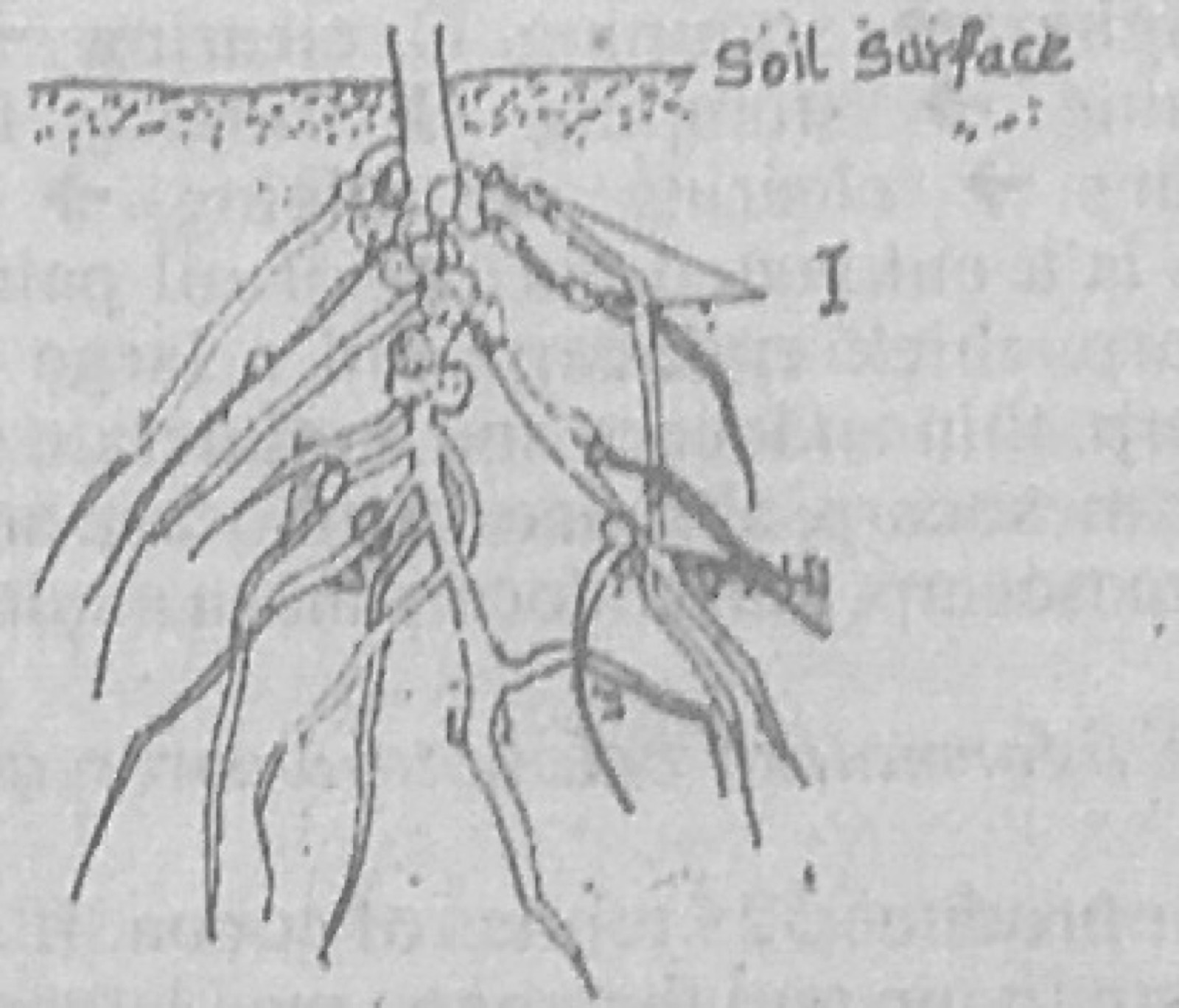
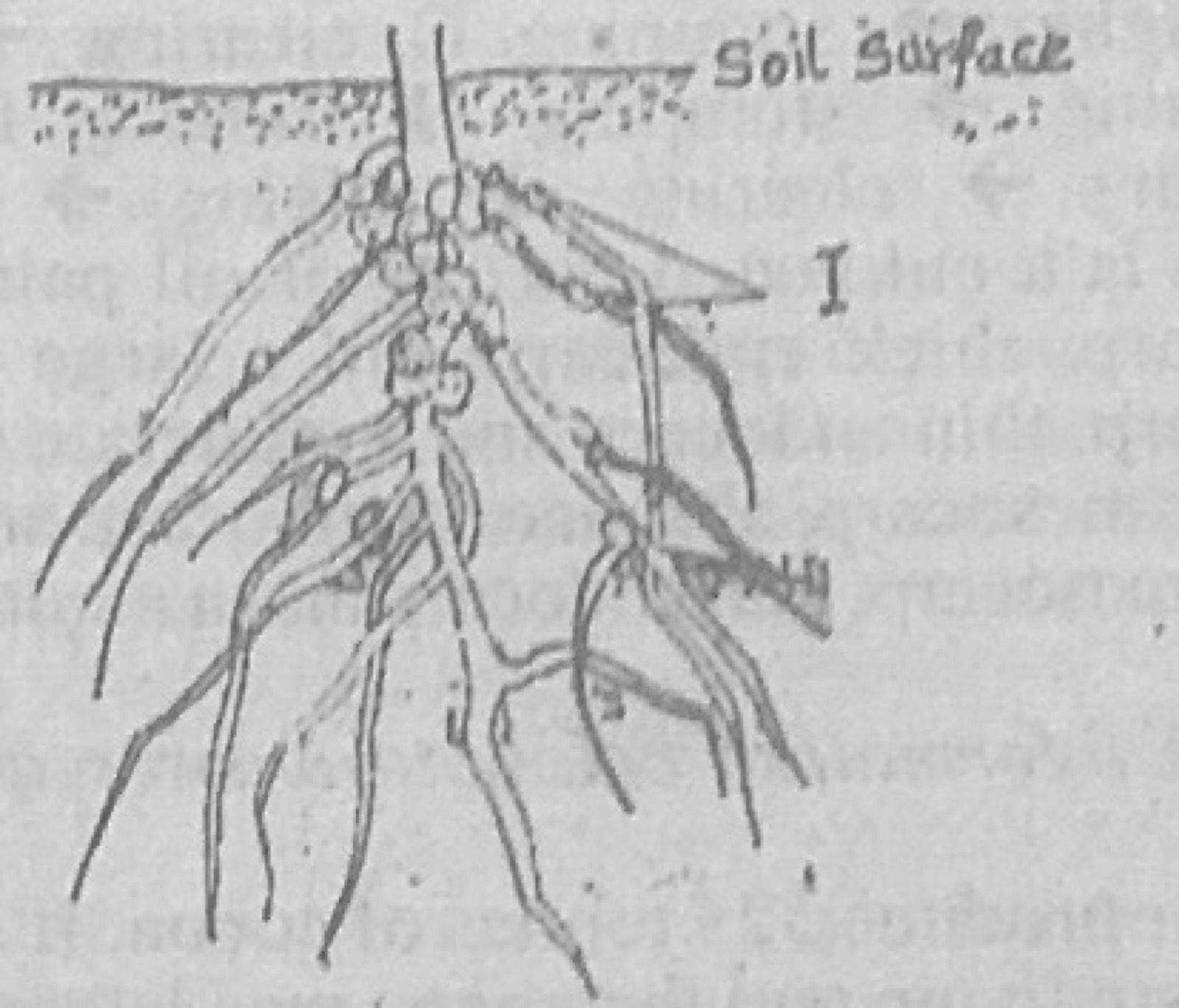
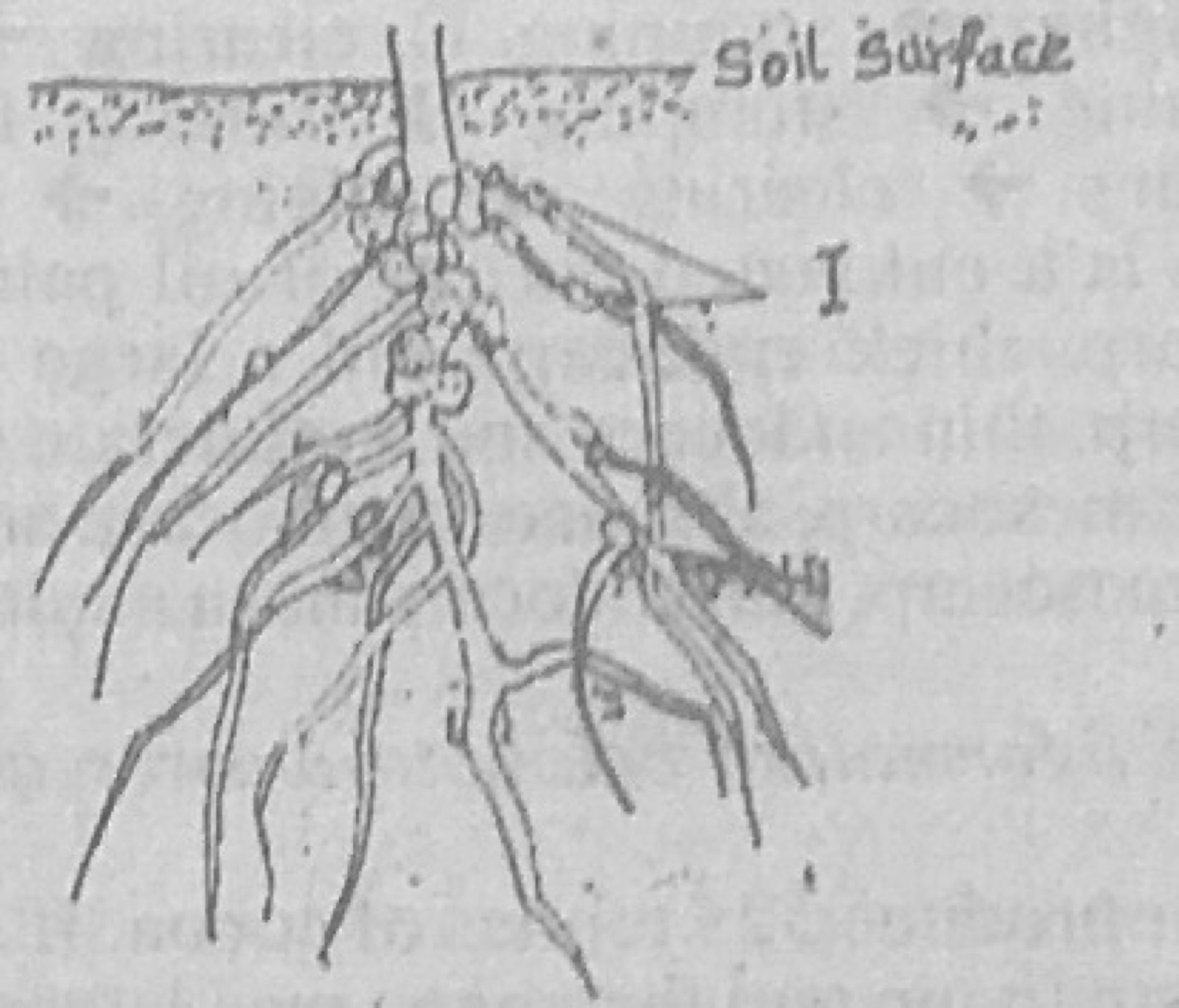
The diagram below illustrates the root system of a crop. Which of the following fertilizers would not be required by a crop with the illustrated root system?
A.Potassium sulphate
B.Ammonium nitrate
C.Rock phosphate
D.Magnesium sulphate
Show the answer and explanation
Answer: B (Ammonium nitrate)
Explanation
Legumes fix their own nitrogen, so nitrogen fertilizer is not needed.
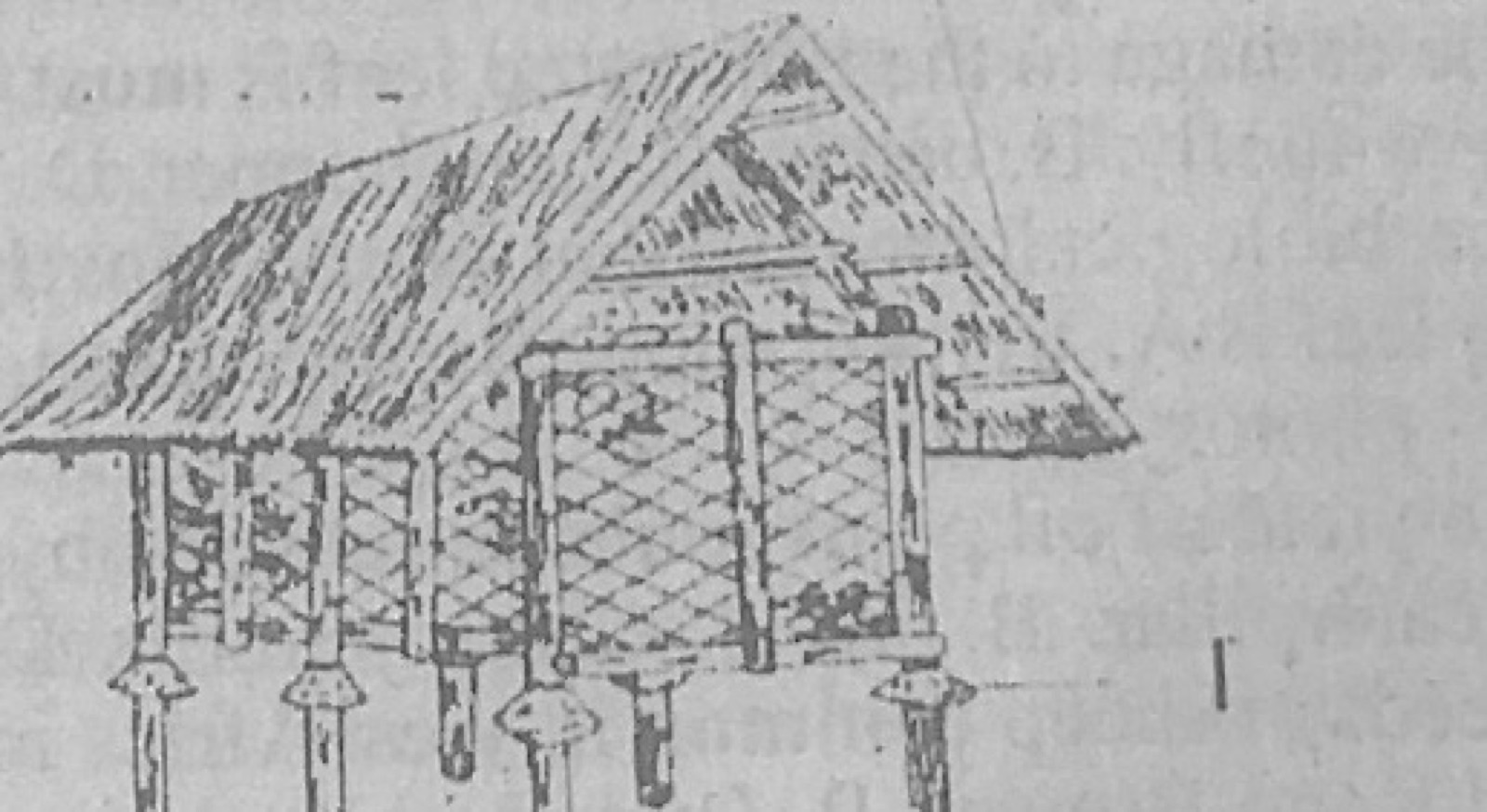
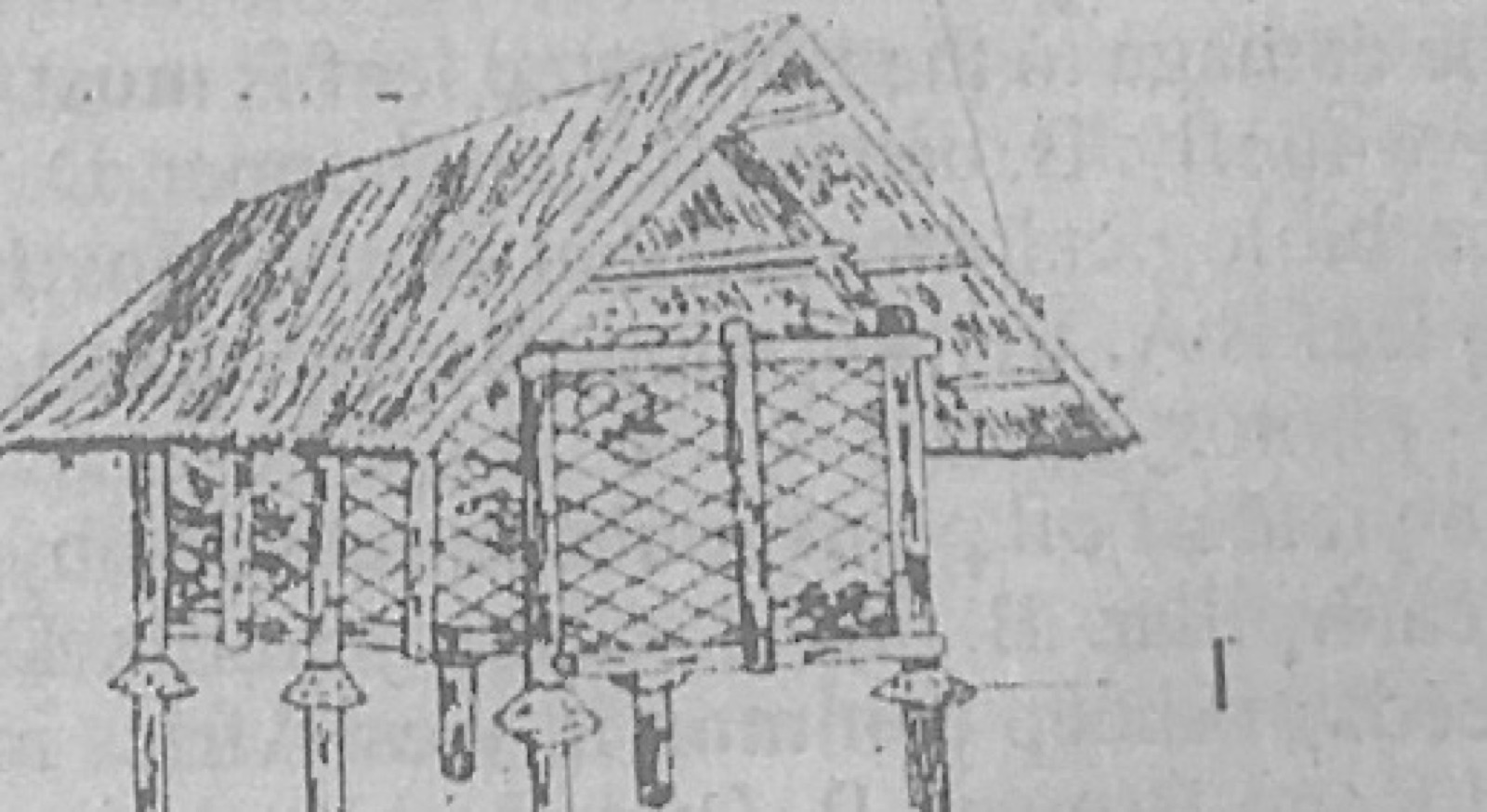
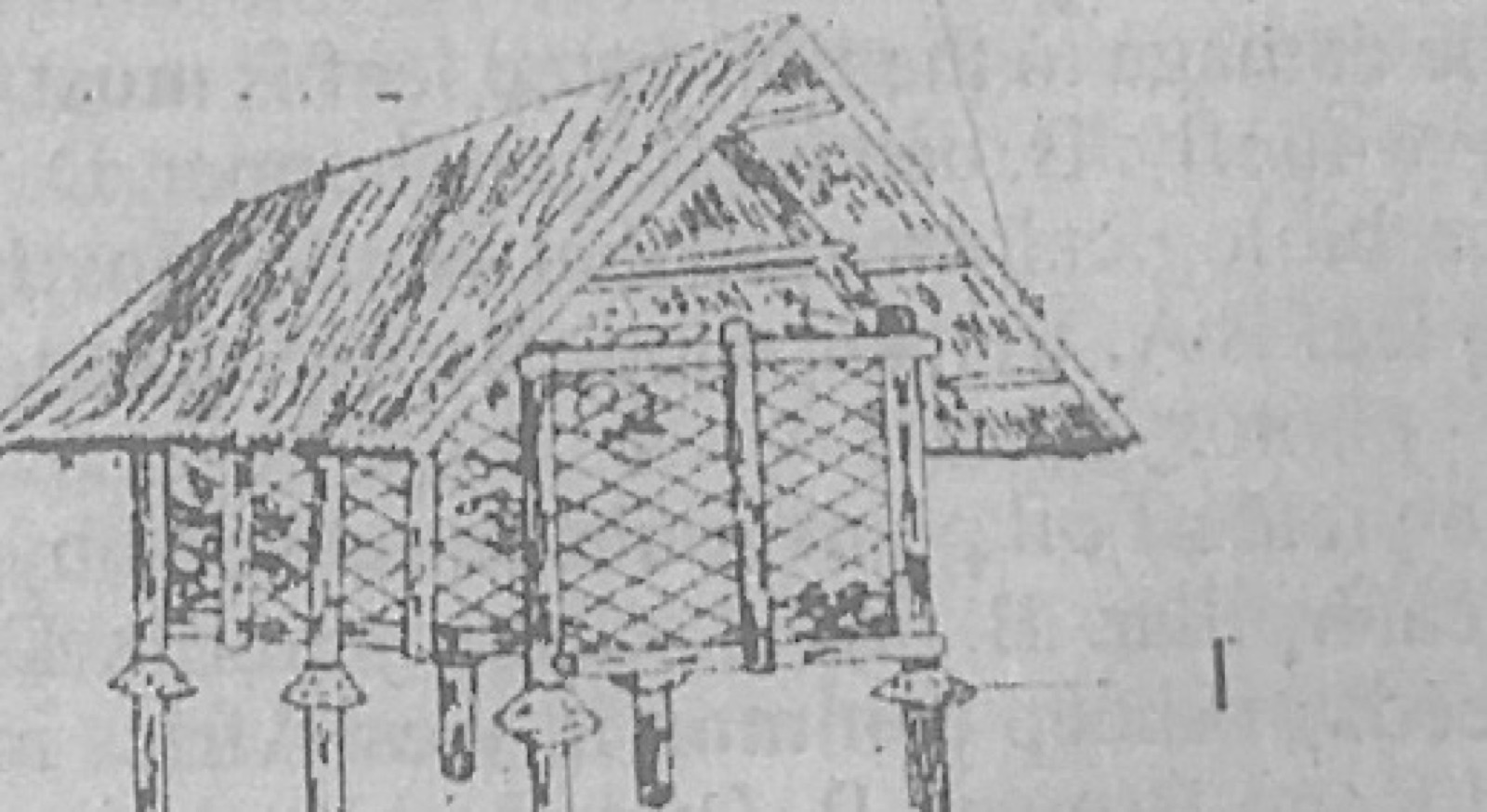
The diagram below illustrates a storage structure for crops. Which of the following environmental conditions would cause spoilage of crops stored in the illustrated structure?
A.High temperature and low relative humidity.
B.Low temperature and high relative humidity.
C.High rainfall and high wind velocity.
D.Low rainfall and low wind velocity.
Show the answer and explanation
Answer: B (Low temperature and high relative humidity.)
Explanation
Cool, humid air keeps cobs damp, so they go mouldy.
A farmer produced 25 tonnes of cocoa. If 16 bags of cocoa weigh one tonne and the cocoa was later sold at N350.00 per kilogramme. (1 tonne = 1,000 kg) Determine the income realized by the farmer.
A farmer produced 25 tonnes of cocoa. If 16 bags of cocoa weigh one tonne and the cocoa was later sold at N350.00 per kilogramme. (1 tonne = 1,000 kg) Calculate the cost of one bag of cocoa.
A.N62.50
B.N5,600.00
C.N8,750.00
D.N21,875.00
Show the answer and explanation
Answer: D (N21,875.00)
Explanation
One bag = 1,000 ÷ 16 = 62.5 kg; 62.5 × 350 = N21,875.
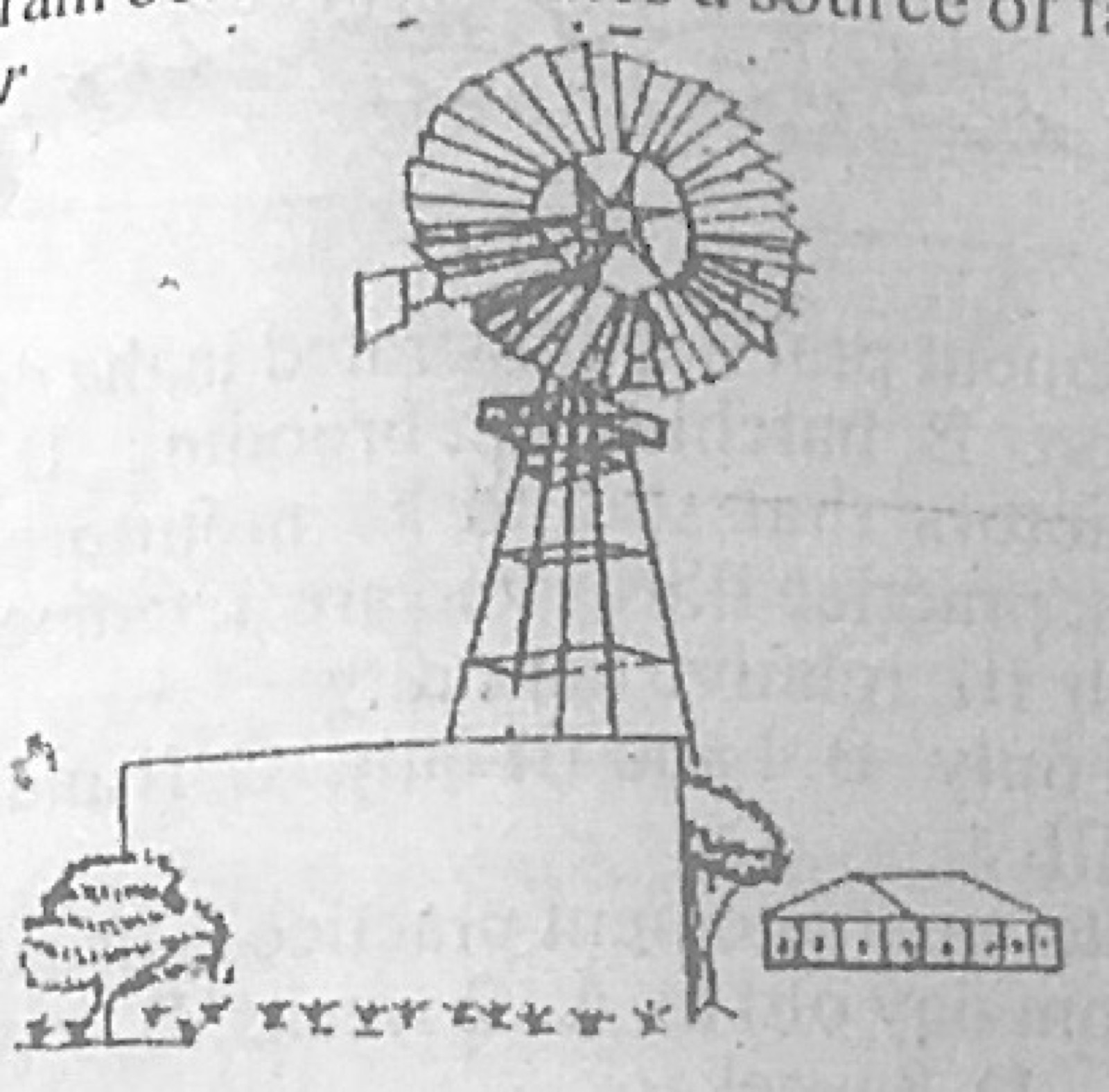
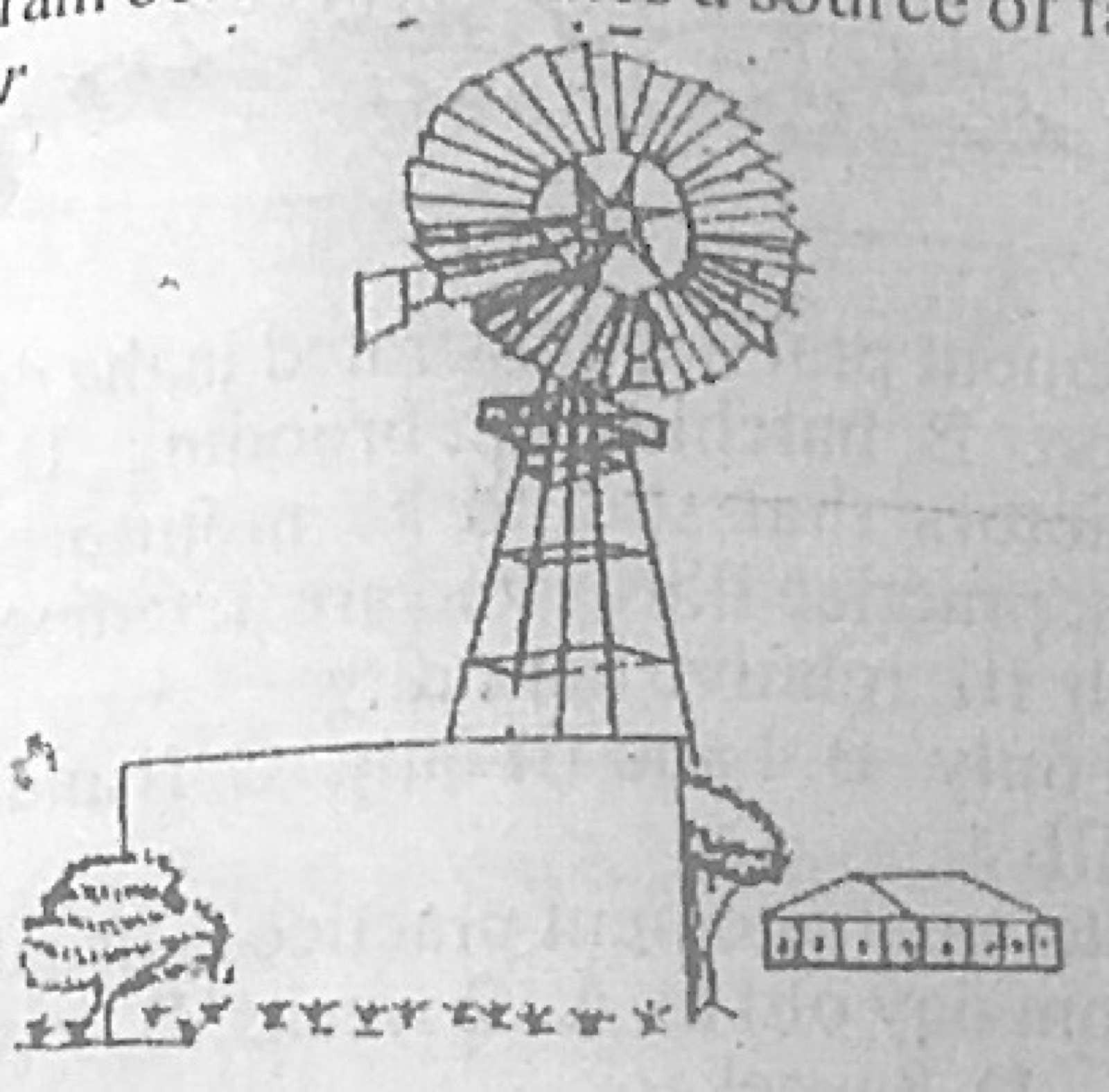
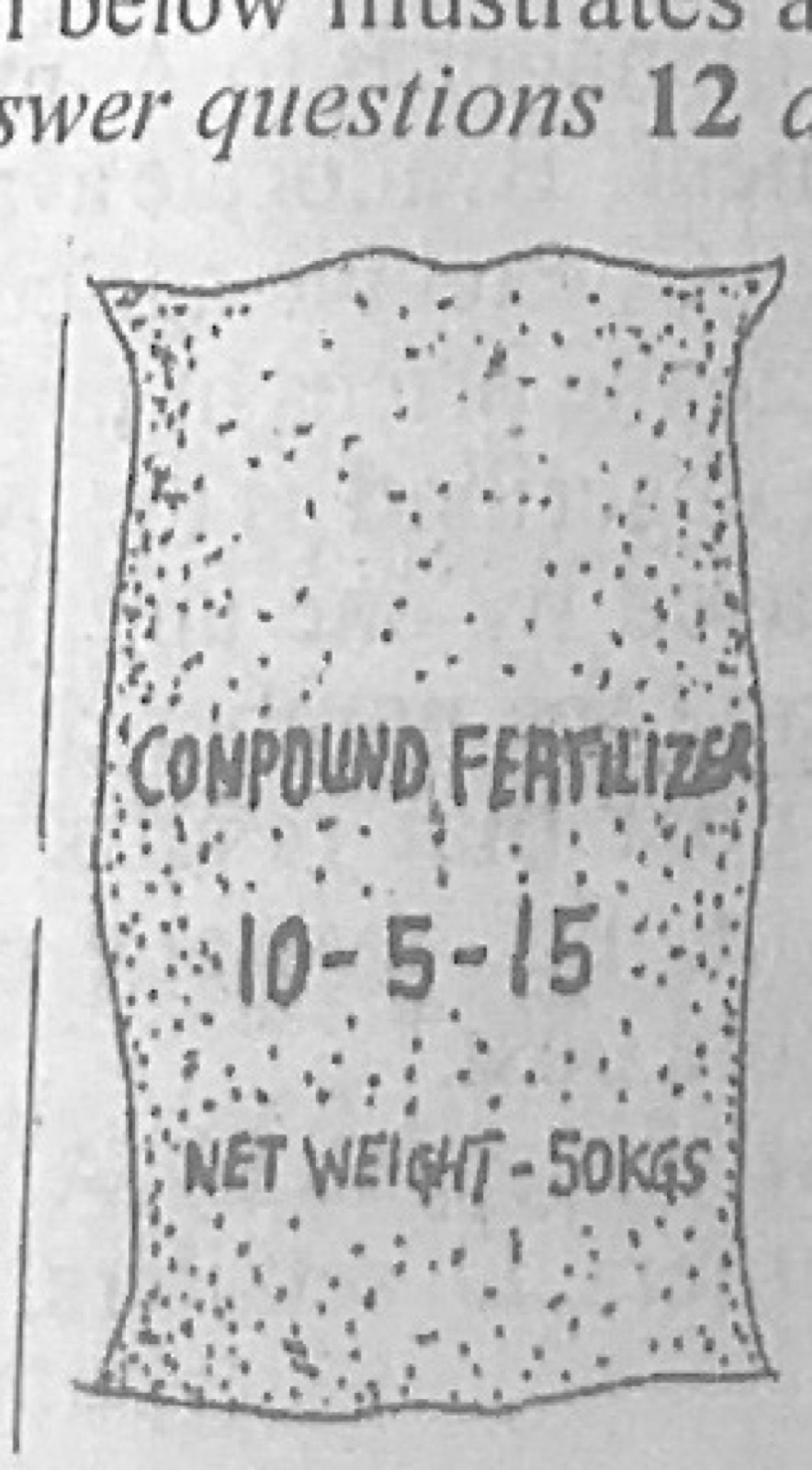
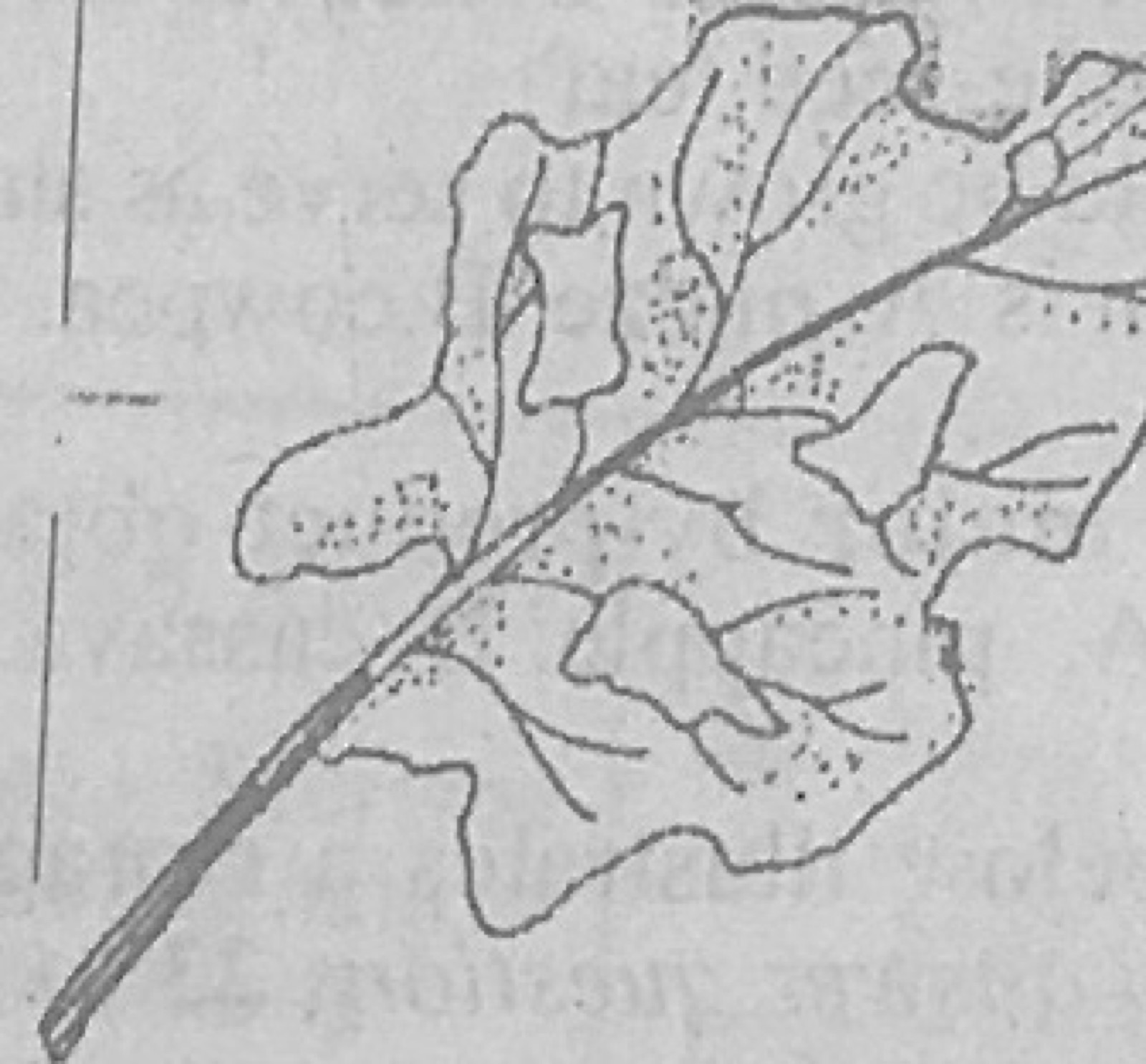
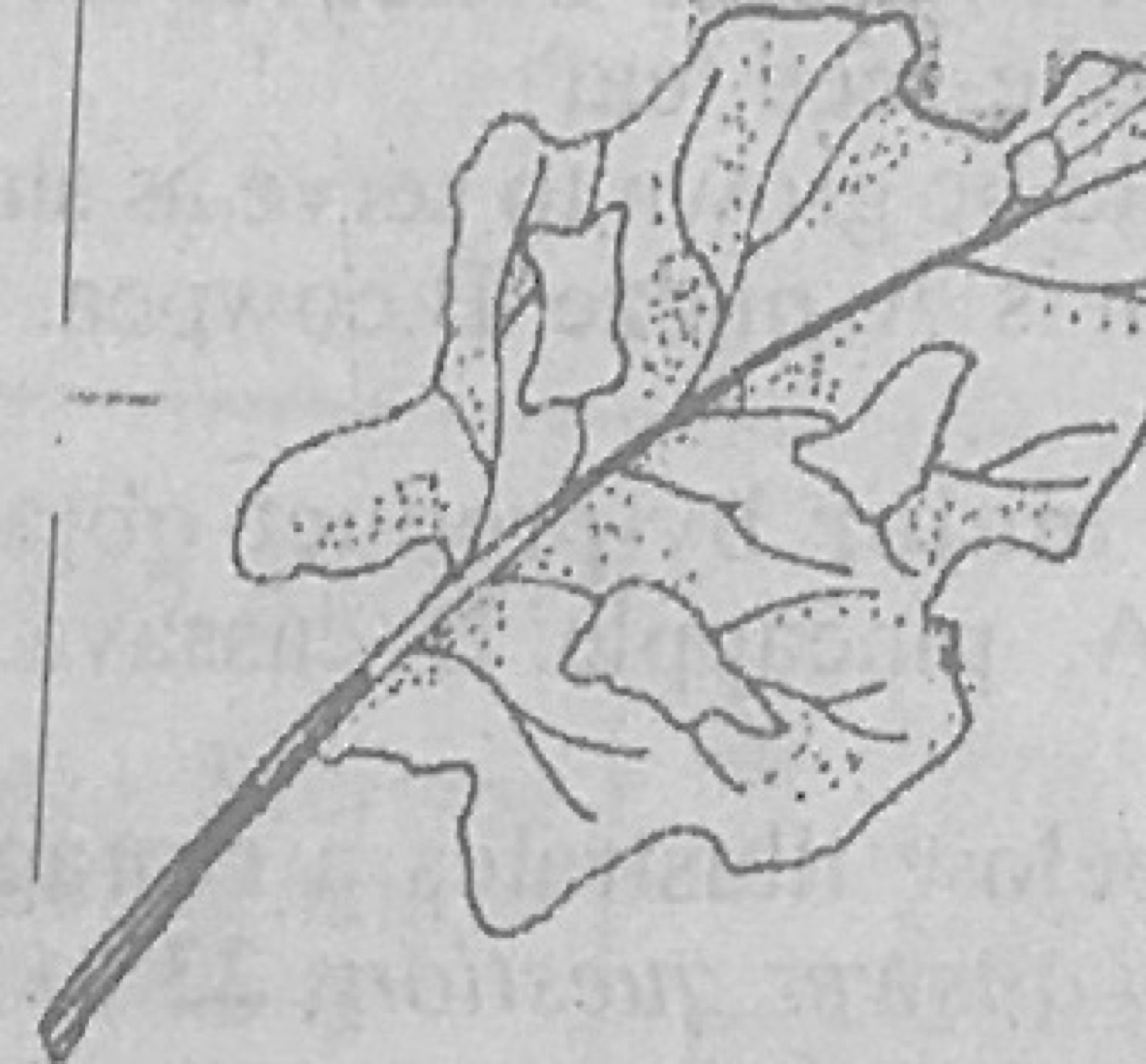
The diagram below illustrates the damage on a leaf caused by an insect pest of crops. The biological process that would mostly be affected in the leaf is
A poultry farmer collects 100 trays of eggs per day on his farm. If the market price of a tray of eggs is N900, determine the income realized from the sale of eggs in a week.
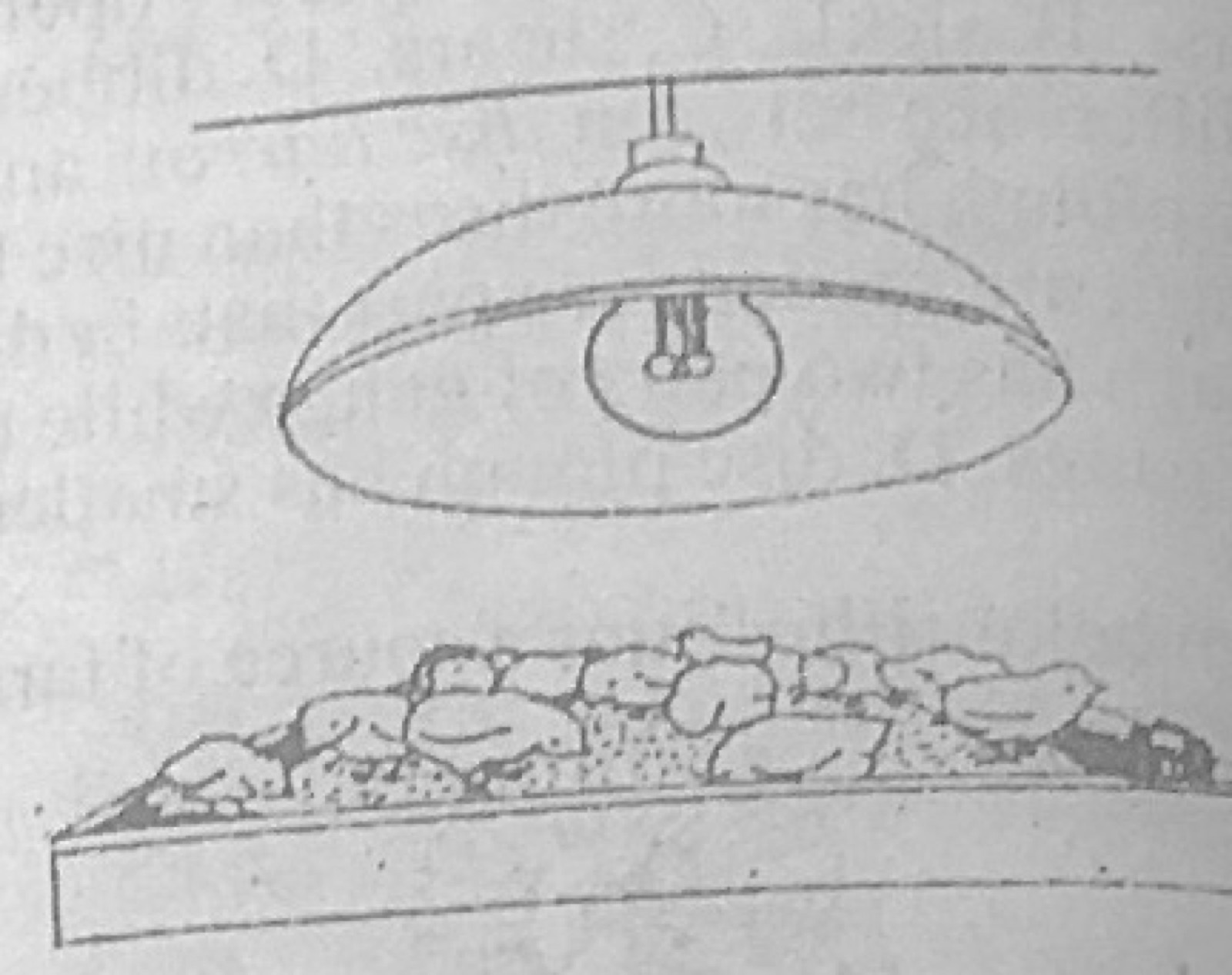
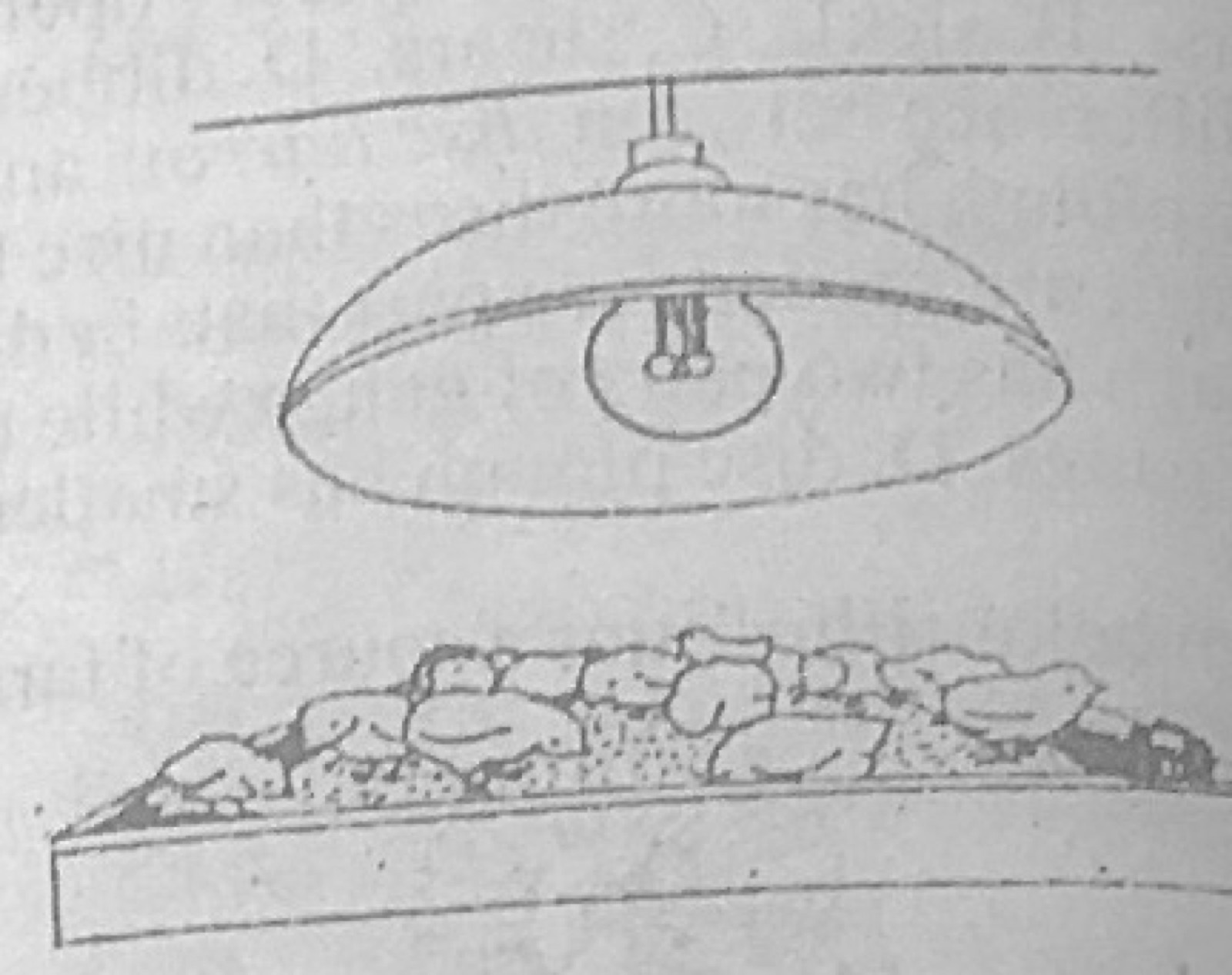
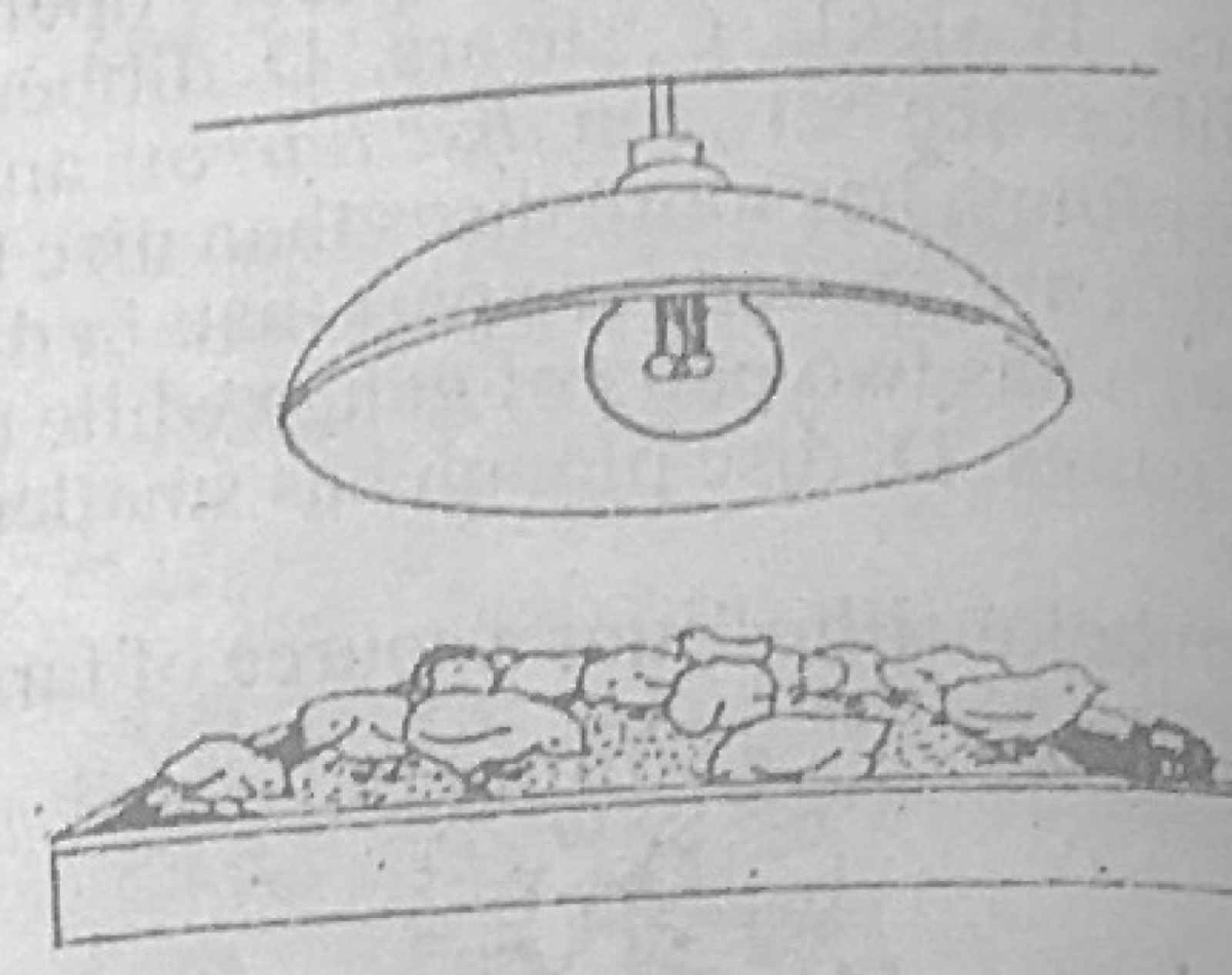
The diagram below illustrates a management practice in poultry production. Climatic factors that should be monitored during the management practice illustrated are I. temperature II. daylength III. relative humidity
A.I and II only.
B.I and III only.
C.II and III only
D.I, II and III.
Show the answer and explanation
Answer: B (I and III only.)
Explanation
Brooders must be kept at the right warmth and humidity.
The diagram below illustrates a management practice in poultry production. The illustrated management practice is usually carried out in chicks from day old to
A.2 weeks.
B.4 weeks.
C.6 weeks.
D.8 weeks
Show the answer and explanation
Answer: C (6 weeks.)
Explanation
Chicks are brooded until they grow feathers, about 6 weeks.
(a) Mention three ways each by which the following agricultural programmes and institute have contributed to agricultural development in West Africa. (i) Cooperative farming. (ii) farm settlement scheme. (iii) agricultural research institute. (b) Name one tractor-mounted implement each that could perform a similar function as the following farm tools. (i) Dibber. (ii) Hoe. (iii) Sickle. (iv) Wheelbarrow. (v) Watering can. (c) State two: (i) advantages of using the mouldboard plough. (ii) disadvantages of using the mouldboard plough.
Show the model answer
Model answer
(a)(i) Co-operative farming (any three): pooling of resources; cheaper credit; bulk purchase of inputs at lower prices; joint storage, processing and marketing; sharing of risks; training of members. (ii) Farm settlement scheme (any three): reduces youth unemployment and rural-urban migration; teaches improved farming methods; provides credit, inputs and amenities to settlers; demonstrates good practices to nearby farmers; promotes commercial farming. (iii) Research institute (any three): develops improved, high-yielding and resistant crop varieties and animal breeds; better methods of pest and disease control; vaccines; better storage and processing methods; improved farming systems and machines. (b)(i) Dibber: planter/seed drill. (ii) Hoe: plough, harrow, ridger or cultivator. (iii) Sickle: mower/slasher or harvester. (iv) Wheelbarrow: trailer/cart. (v) Watering can: boom sprayer or sprinkler. (c)(i) Any two: inverts the soil completely and buries weeds and residues; ploughs deeply; good in light, stone-free soils; share can be re-sharpened; exposes soil pests. (ii) Any two: not suited to stony, stumpy or hard tropical soils; share breaks easily on obstacles; frequent use causes hard pan and compaction; exposes soil to erosion; destroys soil structure.
(a) With the aid of a pH scale, explain the term soil pH. (b)(i) What are cover crops? (ii) Mention five advantages of planting cover crops on the farm. (c) Complete the table below: give the botanical name of each weed: wild marigold; spear grass; stubborn grass; pig weed; carpet grass.
Show the model answer
Model answer
(a) Soil pH is the measure of the acidity or alkalinity of the soil (the hydrogen ion concentration), on a scale of 0 to 14: below 7 is acidic, 7 is neutral and above 7 is alkaline; most crops grow best at about pH 6–7. (b)(i) Cover crops are low-growing, usually creeping leguminous plants grown to cover and protect the soil surface. (ii) Any five: control erosion; suppress weeds; conserve soil moisture; add nitrogen and organic matter; reduce soil temperature; improve soil structure; serve as livestock feed/green manure. (c) Wild marigold: Tithonia diversifolia. Spear grass: Imperata cylindrica. Stubborn grass: Sporobolus pyramidalis. Pig weed: Amaranthus spinosus (or Boerhavia diffusa). Carpet grass: Axonopus compressus.
(a) Give one function each of the following bacteria in the nitrogen cycle: (i) Rhizobium. (ii) Nitrosomonas. (iii) Pseudomonas. (iv) Nitrobacter. (b) A farmer discovered that aphids have invaded a cowpea farm. (i) State three effects of aphids on the cowpea plants. (ii) Mention four cultural ways by which the farmer could control aphids on the cowpea farm. (c)(i) Explain the term forestry. (ii) Name five products that could be obtained from forests.
Show the model answer
Model answer
(a)(i) Rhizobium: fixes atmospheric nitrogen in root nodules of legumes. (ii) Nitrosomonas: converts ammonium compounds to nitrites. (iii) Pseudomonas: denitrification – converts nitrates to nitrogen gas. (iv) Nitrobacter: converts nitrites to nitrates. (b)(i) Any three: suck sap, causing wilting and stunting; leaves curl and yellow; transmit viral diseases (cowpea mosaic); honeydew encourages sooty mould; reduced yield. (ii) Any four: early planting; crop rotation; resistant varieties; clean weeding/field sanitation; removing and burning infested plants; correct spacing; intercropping; encouraging natural enemies. (c)(i) Forestry is the science and practice of establishing, managing and using forests and their resources. (ii) Any five: timber; firewood/charcoal; bushmeat; wood pulp/paper; medicinal plants; mushrooms; honey; gums, resins and latex; fruits and nuts; rattan/canes.
(a) A farmer intends to cultivate sorghum on a farmland measuring 300 m by 150 m at a seed rate of 60 kg per hectare. If sorghum requires NPK 15:15:15 fertilizer at the rate of 20 kg per hectare, calculate the: (i) area of farmland in hectares. (ii) quantity of sorghum seeds required for planting. (iii) quantity of fertilizer required. (b)(i) State two differences between budding and grafting in vegetative propagation. (ii) Mention four crops that could be propagated by budding. (c) Name two groups of farm animals each that should be fed with: (i) production ration; (ii) maintenance ration.
Show the model answer
Model answer
(a)(i) 300 × 150 = 45,000 m² = 4.5 ha. (ii) 4.5 × 60 = 270 kg of seed. (iii) 4.5 × 20 = 90 kg of NPK 15:15:15. (b)(i) Any two: budding uses a single bud as scion, grafting uses a shoot with several buds; budding is simpler and more economical of scion material; in budding the bud is inserted under the bark (T or patch), in grafting stock and scion are cut and joined; budding is done on young, thin stocks. (ii) Any four: citrus (orange, lemon); rubber; mango; avocado; cocoa; rose; cashew. (c)(i) Production ration: pregnant or lactating animals; growing/fattening animals; laying birds; working animals; breeding males. (ii) Maintenance ration: dry (non-lactating, non-pregnant) adults; mature animals not in production; idle work animals.
(a) Give two reasons each for carrying out the following management practices in fish ponds. (i) removal of excessive vegetation. (ii) removal of silt. (iii) supplementary feeding. (iv) fertilizer application. (b) Mention five conditions that could necessitate culling of farm animals. (c) State five effects of excess nitrogen in the soil on crops.
Show the model answer
Model answer
(a)(i) Excess vegetation: prevents oxygen shortage at night; allows light into the water; removes hiding places for predators; makes harvesting easy. (ii) Silt: keeps the pond deep enough; prevents muddy water; removes toxic gases/organic matter at the bottom; maintains water volume. (iii) Supplementary feeding: gives fish enough food for fast growth; makes up for scarce natural food; allows higher stocking density; earlier harvest. (iv) Fertilizer: increases plankton (natural food); increases fish yield; raises productivity of the water. (b) Any five: old age; low productivity (poor laying, low milk); chronic disease; infertility/sterility; physical deformity or injury; bad temperament; poor growth rate; undesirable traits. (c) Any five: excessive leafy (vegetative) growth; delayed maturity, flowering and fruiting; weak, soft stems that lodge; greater attack by pests and diseases; poor fruit and seed quality; low yield of tubers/grain; lower keeping quality.
(a) What is agricultural insurance? (b) Define each of the following terms in agricultural insurance: (i) insurance policy. (ii) insurance premium. (c) An agricultural extension agent organized a meeting with the groundnut farmers in a village in order to introduce a disease resistant variety of groundnut to them. (i) State four advantages of the agricultural extension method employed by the extension agent. (ii) Mention three other ways by which the information could be disseminated to the group of farmers. (d) Enumerate five operations involved in the processing of rice after harvesting.
Show the model answer
Model answer
(a) Agricultural insurance is an arrangement by which a farmer pays premiums to an insurer, who agrees to compensate the farmer for losses from named risks on the farm. (b)(i) Insurance policy: the written contract between the insurer and the insured, stating the risks covered, premium and compensation. (ii) Insurance premium: the amount the insured pays regularly to the insurer to keep the cover. (c)(i) Group meeting (any four): reaches many farmers at once; cheaper per farmer; farmers can ask questions and discuss; farmers learn from one another; saves the agent's time; builds confidence to adopt the new variety. (ii) Any three: method/result demonstrations; field trips/farm visits; radio and TV; posters, leaflets and newsletters; agricultural shows; use of opinion leaders. (d) Any five: threshing; winnowing/cleaning; drying; parboiling; milling (dehulling); polishing; grading; bagging/packaging.