(a) In a tabular form, five differences between subsistence and commercial agriculture. (b) Suggest two possible solutions to each of the following problems of agricultural development in West Africa: (i) inadequate land; (ii) inadequate finance; (iii) incidence of diseases. (c) What is agricultural ecology? (d) State five sources of pollution of agricultural lands and fish ponds.
Show the model answer
Model answer
(a) Any five pairs: subsistence produces mainly for family use / commercial mainly for sale; small farms / large farms; simple tools / machines; family labour / hired skilled labour; low capital / high capital; low yields / high yields; local varieties and breeds / improved ones; few fertilizers and pesticides / heavy use; mixed cropping / monocropping; few records / proper records. (b)(i) Land: enforce land reform (Land Use Act); form co-operatives to acquire land; reclaim swamps/irrigate dry land; intensive farming. (ii) Finance: cheap credit from agricultural banks; subsidies on inputs; co-operative thrift societies; government grants. (iii) Diseases: vaccines and drugs at low cost; resistant varieties/breeds; train farmers in disease control; quarantine. (c) Agricultural ecology is the study of the relationships between crops and farm animals and their environment (living and non-living factors) on the farm. (d) Any five: crude oil spills; industrial effluents; excess fertilizers and pesticides; sewage and domestic refuse; mining wastes; burning (smoke); animal wastes; plastic and non-biodegradable waste.
(a) What is farm surveying? (b) State four disadvantages of electrical power. (c) Give four reasons why farm machines should be maintained. (d) Define the term land as used in agriculture. (e) Explain briefly how each of the following factors affects land availability for agriculture: (i) population pressure; (ii) mining (iii) topography.
Show the model answer
Model answer
(a) Farm surveying is the measuring and mapping of farmland to find its size, shape, boundaries and features for planning. (b) Any four: costly to install; supply often unreliable/epileptic; not available in many rural areas; dangerous (shock, fire); needs skilled personnel; equipment expensive to maintain. (c) Any four: to keep them working efficiently; to prolong their life; to prevent breakdowns during operations; to reduce repair costs; to prevent rust; to ensure safety of the operator. (d) Land is all the natural resources of the earth's surface (soil, water, vegetation, minerals) used for agricultural production; a fixed factor of production. (e)(i) Population pressure: more people need land for houses, roads and industries, so less is left for farming. (ii) Mining: land is taken over for mining and the soil is degraded (pits, spoil heaps, pollution), reducing farmland. (iii) Topography: steep, hilly or rocky land is difficult to farm and erodes easily, so flat/gentle land is more available for farming.
Explanation
One effect clearly explained for each factor in (e).
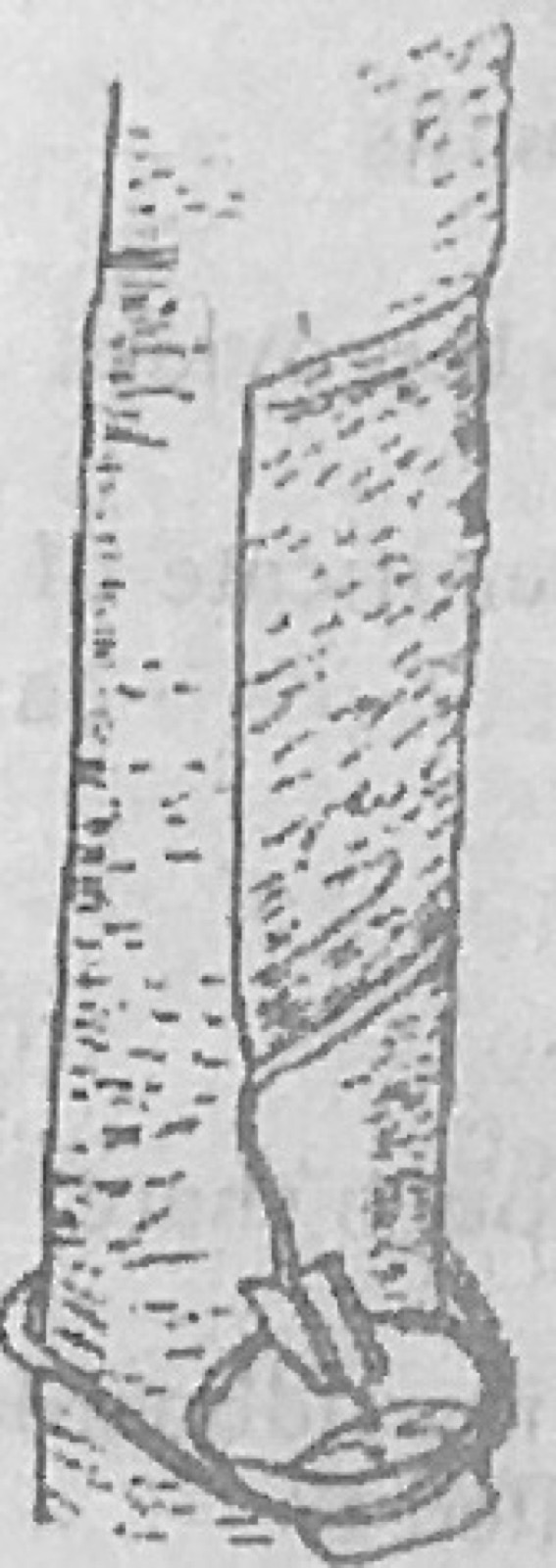
(a) Explain the term staking in yam cultivation. (b) Describe the nursery practices in cocoa cultivation. (c) State five reasons for parboiling paddy rice. (d) State three advantages and two disadvantages of taungya farming.
Show the model answer
Model answer
(a) Staking is putting poles (stakes) beside yam plants so the vines climb up, exposing the leaves to sunlight for better photosynthesis and yield. (b) Select fresh, viable seeds from good pods; fill polythene bags with topsoil; sow 1–2 seeds per bag about 2–3 cm deep; provide shade; water regularly; weed; control pests and diseases; harden off and transplant after about 4–6 months. (c) Any five: loosens the husk for easier milling; reduces breakage of grains during milling; improves nutritive value (vitamins move into the grain); improves storage life; kills insects/hardens grain against pests; improves cooking quality. (d) Advantages (three): forest is re-established cheaply; farmers get land to grow food crops; farmers weed and tend young trees; reduces deforestation; provides food and timber. Disadvantages (two): farmers may damage young trees; crops compete with trees; it encourages encroachment on forest reserves; slow return from trees.
(a) Explain briefly three systems of mating in livestock management. (b) Draw and label the digestive tract of a hen. (c) Give five reasons why ornamental plants are important.
Show the model answer
Model answer
(a) Any three: inbreeding – mating closely related animals (e.g. brother and sister); line breeding – mating distantly related animals within a line; outbreeding – mating unrelated animals of the same breed; cross breeding – mating animals of different breeds; upgrading – using pure-bred males on local females over generations. (b) A clear diagram showing and labelling: beak/mouth, oesophagus, crop, proventriculus, gizzard, duodenum (with pancreas), small intestine (ileum), two caeca, large intestine/rectum, cloaca and vent; liver. (c) Any five: beautify homes, offices and surroundings; provide shade; act as windbreaks/hedges and fences; control erosion; used as gifts and for decoration at ceremonies; source of income; some are medicinal; provide privacy and reduce noise.
Explanation
Label at least eight parts, including crop, gizzard, caeca and cloaca.
(a) What is agricultural insurance? (b) Explain briefly the following types of insurance policies for agricultural production: (i) specific enterprise insurance; (ii) fire disaster insurance; (iii) life assurance. (c) Discuss the process of egg formation in a hen.
Show the model answer
Model answer
(a) Agricultural insurance is an arrangement in which a farmer pays a premium to an insurance company, which agrees to compensate him for losses on his farm from specified risks. (b)(i) Specific enterprise insurance: covers one particular enterprise (e.g. a poultry flock or a crop) against named risks such as disease or death. (ii) Fire disaster insurance: compensates for loss of crops, buildings, stores or equipment destroyed by fire. (iii) Life assurance: pays an agreed sum on the death of the insured farmer (or at the end of a term), to his family. (c) The ovary releases the yolk (ovum); the infundibulum receives it (fertilisation takes place here); in the magnum the thick albumen is added; in the isthmus the shell membranes are formed; in the uterus (shell gland) water/thin albumen and the hard calcium shell (and colour) are added; the egg passes through the vagina and is laid through the cloaca/vent. The whole process takes about 24–26 hours.
Explanation
Name each part of the oviduct and what it adds to the egg.
(a) Mention three print and three electronic media used in disseminating agricultural extension messages. (b) State four advantages of group method of agricultural extension. (c) Explain the term assembling as a marketing function. (d) State one symptom and two control measures of each of the following crop diseases: (i) maize streak; (ii) groundnut rosette.
Show the model answer
Model answer
(a) Print (three): newspapers; magazines; bulletins/leaflets; posters; handbills; journals. Electronic (three): radio; television; internet/social media; film shows; mobile phones (SMS). (b) Any four: reaches many farmers at once; cheaper per farmer; farmers learn from each other; saves time of extension agents; encourages co-operative action; builds confidence to adopt innovations. (c) Assembling is collecting small quantities of produce from many farmers into one place to make up large, economic quantities for sale or transport. (d)(i) Maize streak: symptom – yellow/white streaks along the leaf veins, stunting; control – resistant varieties; early planting; control leafhoppers (vector); uproot and burn infected plants. (ii) Groundnut rosette: symptom – stunted, bushy plants with small, mottled/yellow, crinkled leaves; control – resistant varieties; early and close planting; control aphids (vector); remove infected plants.