Which of the following combinations differentiates a bony fish from a cartilaginous fish? I. Presence of gills II. Absence of gill slits III. Possession of bony skeleton IV. Possession of laterally compressed body V. Possession of dorso-ventrally compressed body
A.I, II and III
B.I, III and IV
C.II, III and IV
D.II, III and V.
Show the answer and explanation
Answer: C (II, III and IV)
Explanation
Bony fish have their gills covered by an operculum (no visible gill slits), a skeleton of bone and a body flattened from side to side. Cartilaginous fish such as rays are flattened top to bottom.
Which is the most important adaptation of a bony fish to life in water?
A.The possession of a streamlined shape
B.The presence of overlapping scales
C.The covering of the body by thin film of slime
D.The possession of a caudal fin.
Show the answer and explanation
Answer: A (The possession of a streamlined shape)
Explanation
A streamlined (spindle-shaped) body cuts down water resistance, so the fish can swim easily. Scales and slime protect the body, and the tail fin gives push.
The dental formula i 3/3 c 1/1 pm 4/4 m 2/3 is that of a
A.goat
B.rabbit
C.man
D.dog
Show the answer and explanation
Answer: D (dog)
Explanation
Three pairs of incisors, one canine, four premolars and 2/3 molars in each half jaw (42 teeth) is the dog's formula. Goats and rabbits have no upper incisors or no canines; man has i 2/2.
The process by which a red blood cell placed in distilled water absorbs water until it bursts and releases its contents into the surrounding is known as
A.osmosis
B.plasmolysis
C.turgidity
D.haemolysis
Show the answer and explanation
Answer: D (haemolysis)
Explanation
Water enters the red cell by osmosis and, with no cell wall to stop it, the cell bursts; this bursting is called haemolysis.
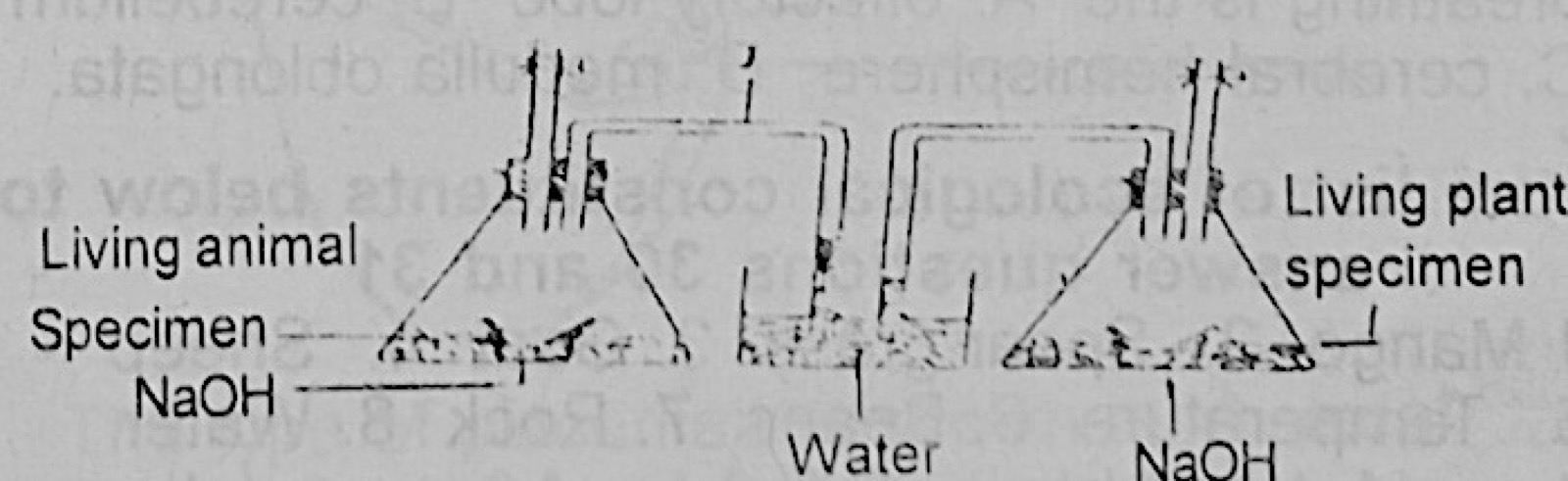
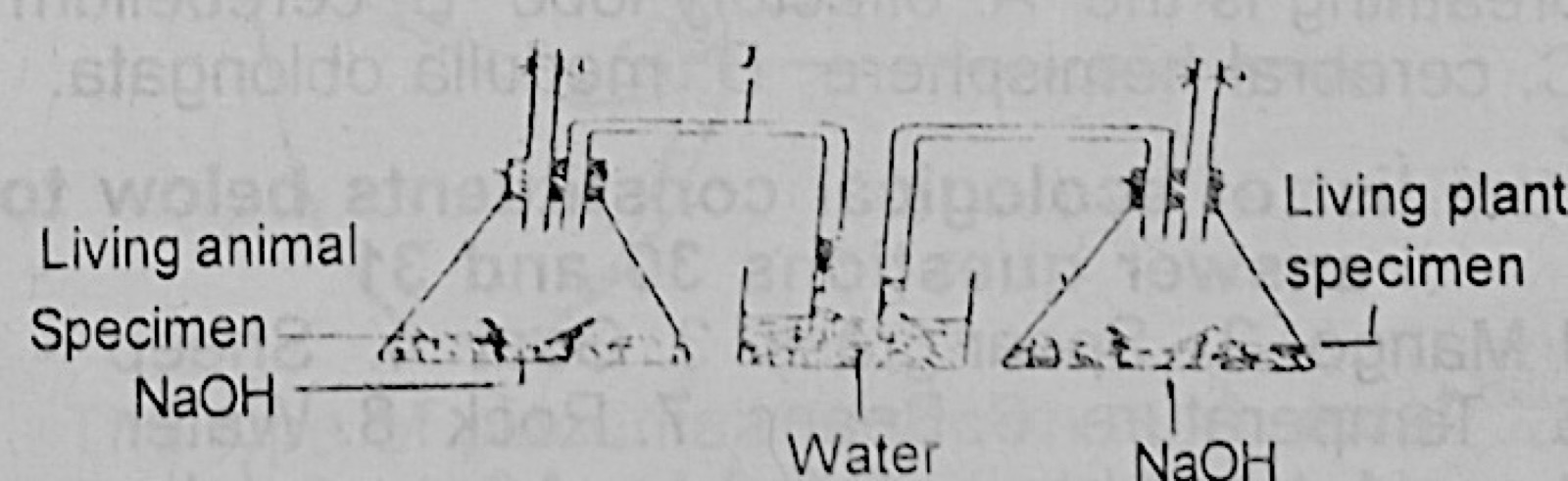
A.quantitative measurement of respiration in plants and animals
B.measurement of respiratory rates in living organisms
C.comparison between photosynthesis and respiration
D.comparison of respiratory rates in plants and animals.
Show the answer and explanation
Answer: D (comparison of respiratory rates in plants and animals.)
Explanation
One flask holds a living animal and the other a living plant, each with NaOH to absorb CO2, joined to a water manometer, so the set-up compares their rates of respiration.
A circulatory system that does not allow mixing of oxygenated and de-oxygenated blood in mammalian heart is referred to as
A.open
B.haemocoelic
C.single
D.closed.
Show the answer and explanation
Answer: D (closed.)
Explanation
In mammals blood stays inside vessels and the heart is fully divided, so oxygenated and deoxygenated blood are kept apart. Of the options, this matches a closed system.
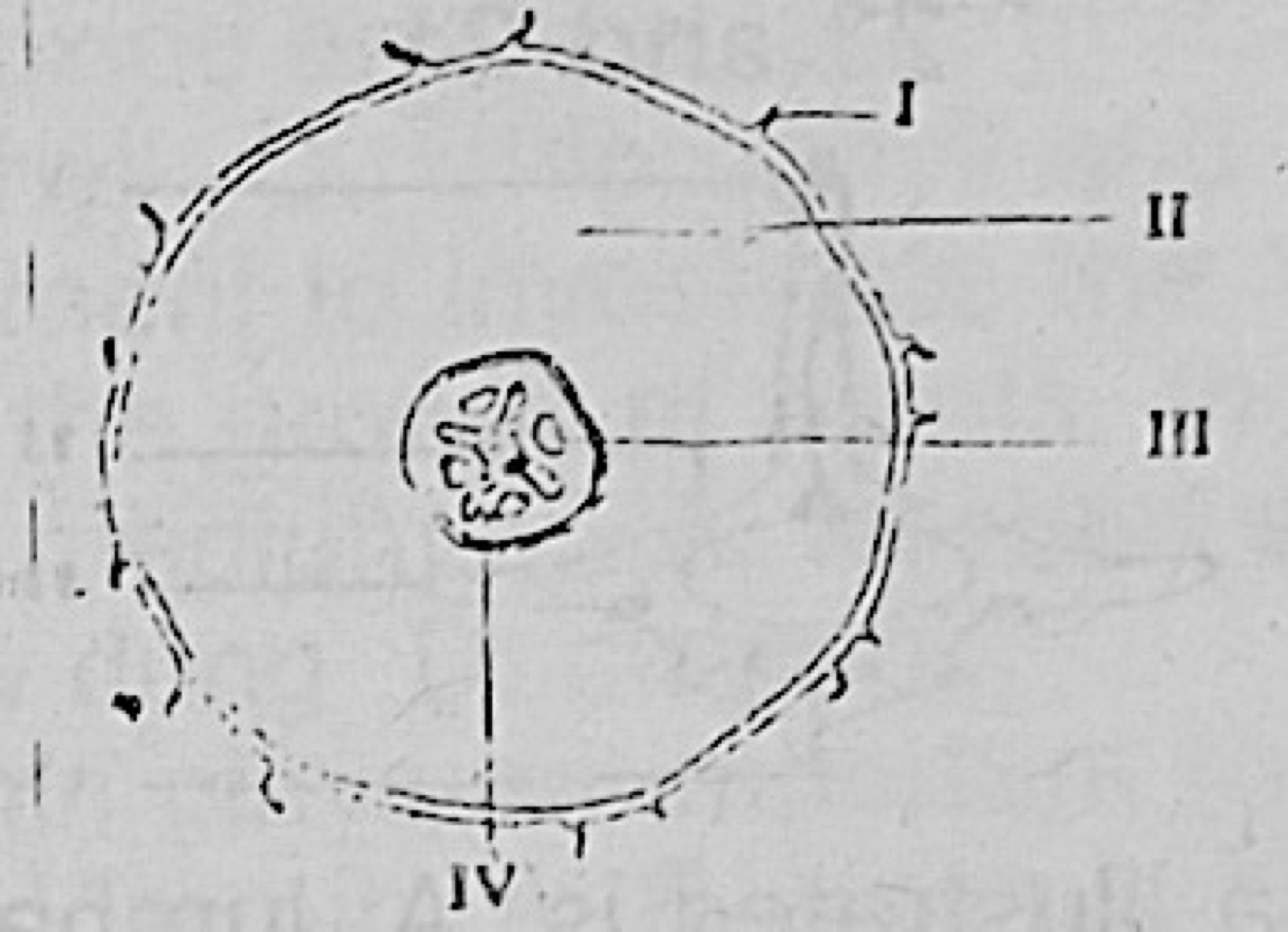
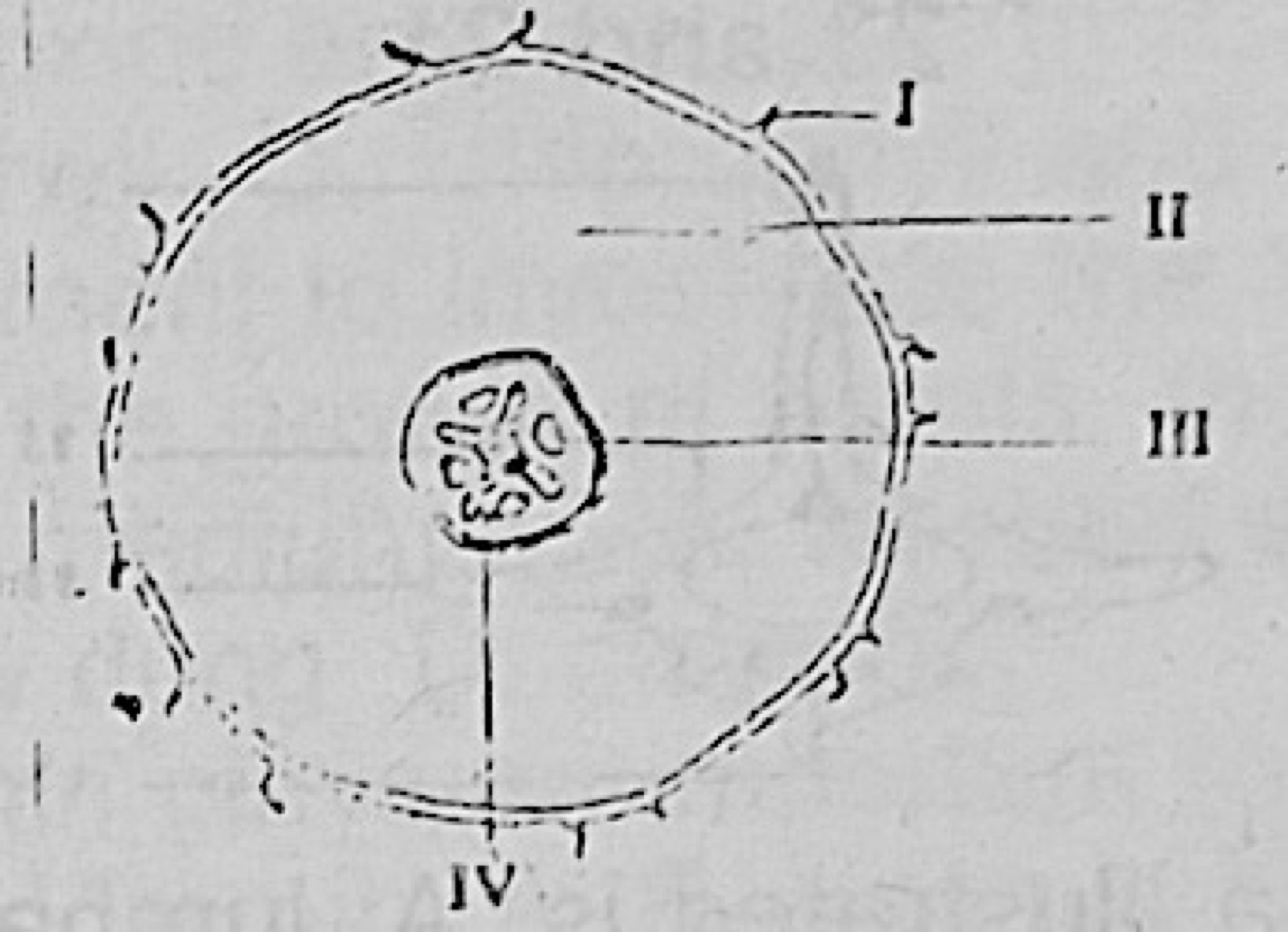
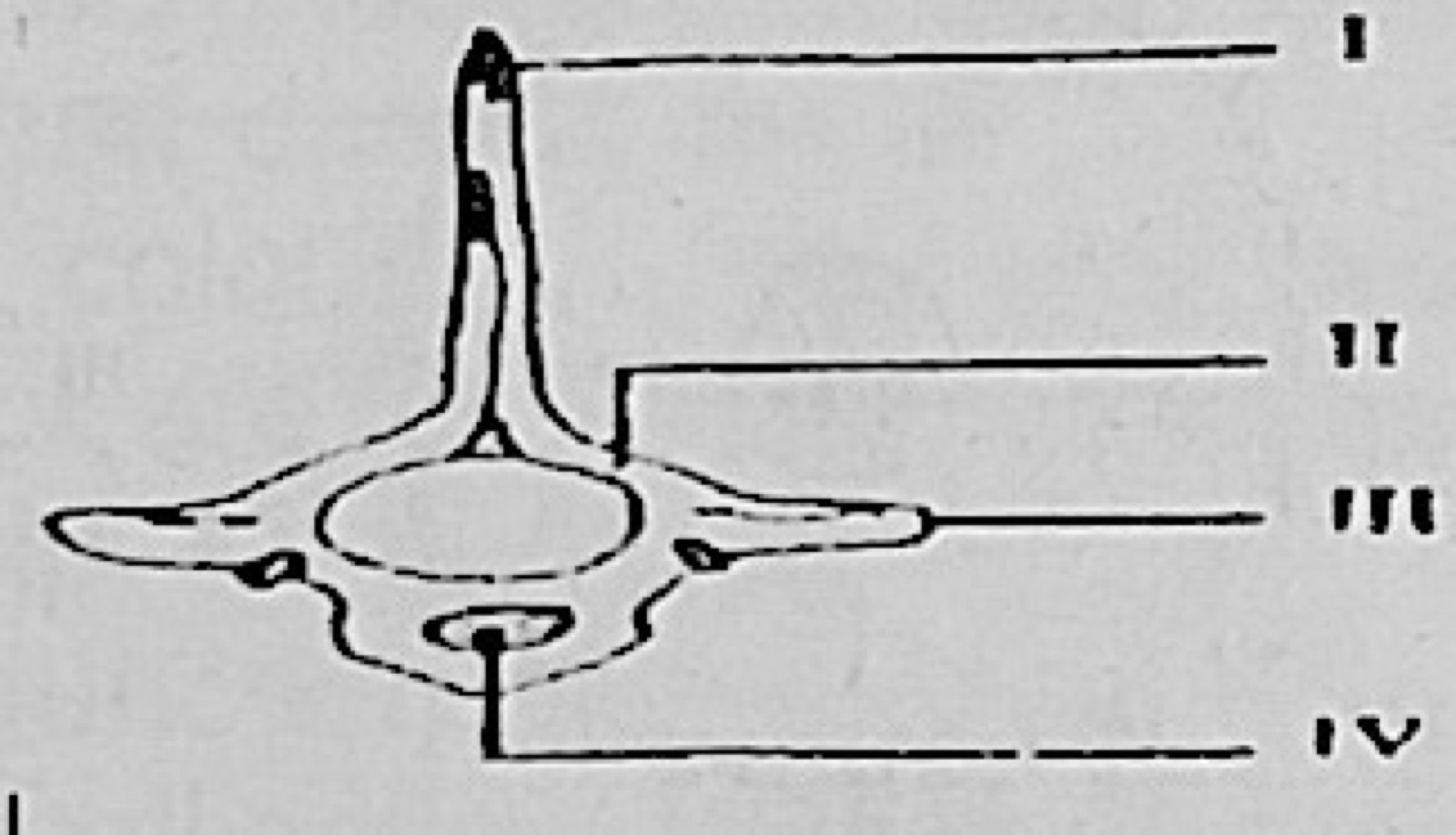
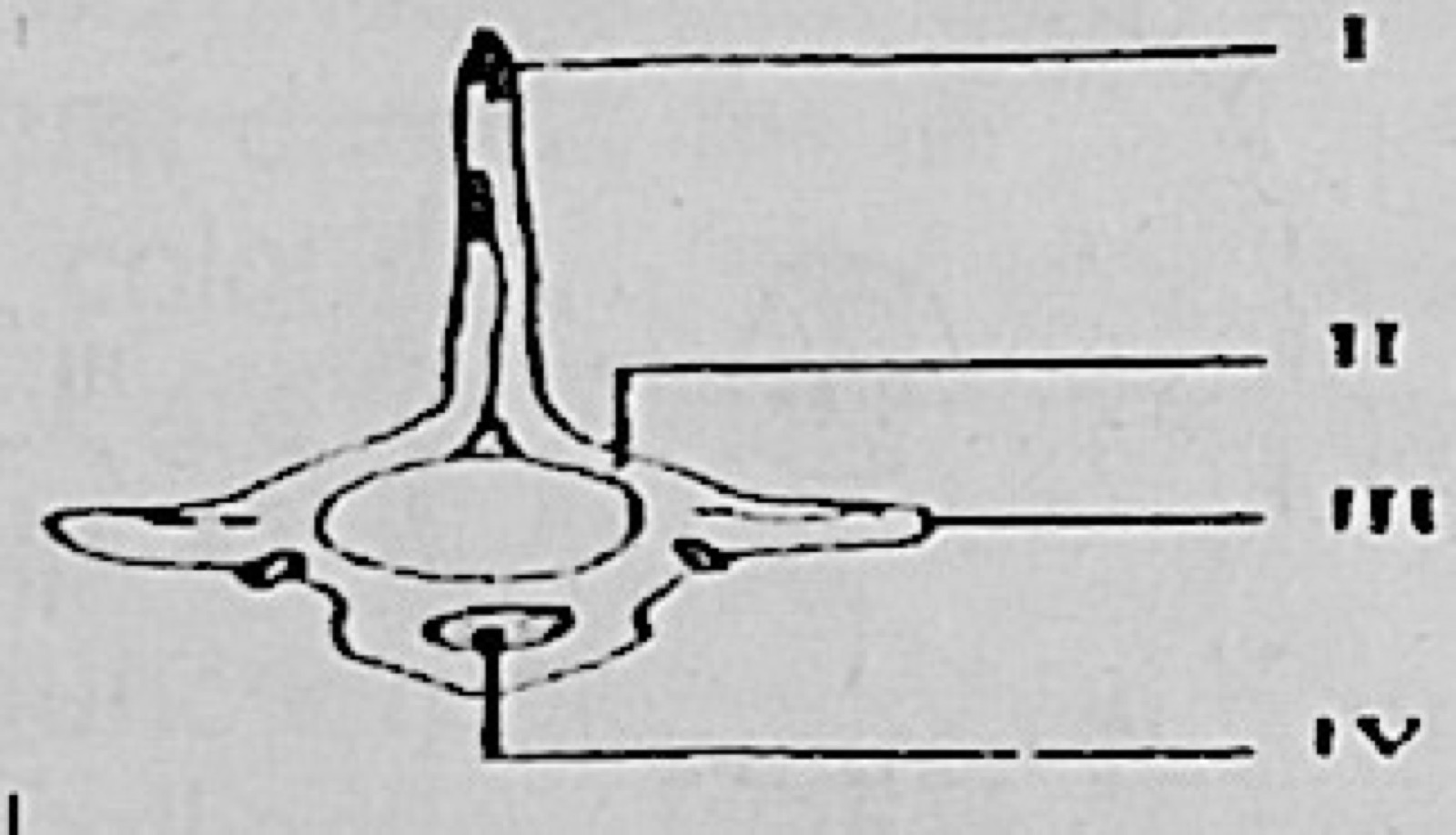
II marks the arch of bone above the centrum that encloses the neural canal (spinal cord). I is the neural spine, III the transverse process, IV the centrum.
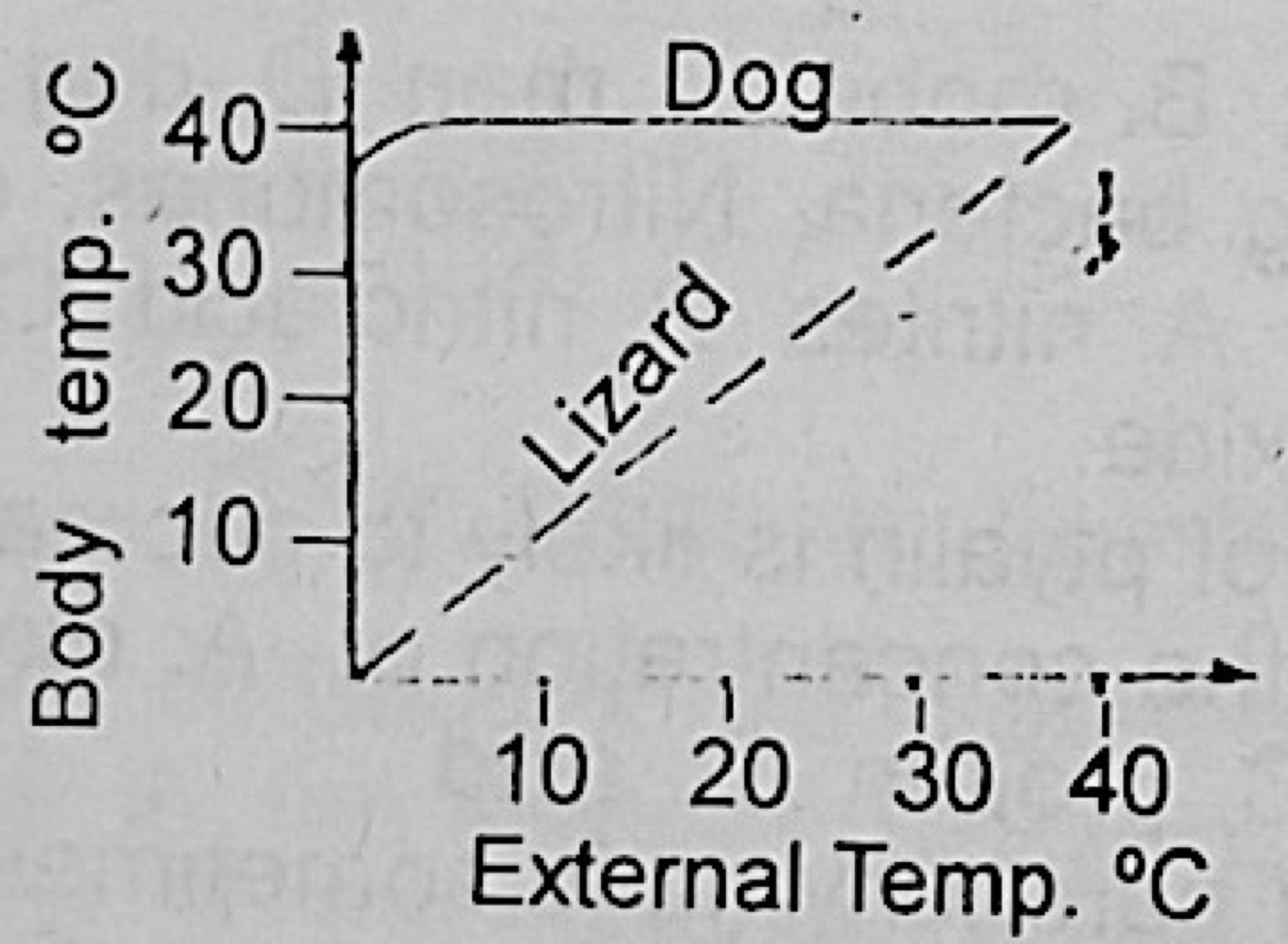
The graph above shows the relationship between the body and atmospheric temperatures for dog and lizard. What is the most appropriate deduction that could be made from the graph?
A.Lizards are more likely to survive hazards than dogs
B.Both animals maintain a constant body temperature
C.The dog's body temperature is independent of the external temperature
D.The lizard's body temperature varies with that of the dog.
Show the answer and explanation
Answer: C (The dog's body temperature is independent of the external temperature)
Explanation
The dog's line stays flat near 40 °C whatever the outside temperature, so it is independent of it; the lizard's body temperature rises with the surroundings.
Use the list of ecological constituents: 1 Mango 2. Spear grass 3. Goat 4. Sheep 5. Temperature 6. Beans 7. Rock 8. Water. Items 1-4 can be regarded as
A.a population
B.a community
C.an ecosystem
D.a niche.
Show the answer and explanation
Answer: B (a community)
Explanation
Items 1–4 are different species of living things sharing an area, which is a community. A population would be one species only.
Use the list of ecological constituents: 1 Mango 2. Spear grass 3. Goat 4. Sheep 5. Temperature 6. Beans 7. Rock 8. Water. The physical factors are represented by
A.1, 5, 6
B.4, 5, 7
C.5, 7, 8
D.6, 7, 8.
Show the answer and explanation
Answer: C (5, 7, 8)
Explanation
Temperature (5), rock (7) and water (8) are non-living (physical) factors; the others are living things.
Use the list of biomes: 1. Desert 2 Rain forest 3 Southern Guinea savannah 4 Northern Guinea savannah. A biome with a low annual rainfall, few scattered trees within dense layer of grasses and found in Kano and Katsina States is
A.1
B.2
C.3
D.4
Show the answer and explanation
Answer: D (4)
Explanation
The drier northern savannah, with tall grasses and few scattered trees, covers the far north of Nigeria; of the options this is the Northern Guinea savannah.
Use the list of biomes: 1. Desert 2 Rain forest 3 Southern Guinea savannah 4 Northern Guinea savannah. A biome where there are many cacti and the small mammals undergo aestivation for long periods is
A.1
B.2
C.3
D.4.
Show the answer and explanation
Answer: A (1)
Explanation
Cacti and long periods of summer sleep (aestivation) to escape heat and drought are features of the desert.
The differences and similarities among living things account for
A.diversity
B.stability
C.competition
D.evolution.
Show the answer and explanation
Answer: D (evolution.)
Explanation
Similarities show that organisms share common ancestors, and differences show how they have changed over time; together they are evidence for evolution.
In the gene locus for eye colour in humans, the allele for brown eyes is dominant over the allele for blue eyes. If a homozygous brown-eyed girl has a brother with blue eyes, what are the likely phenotypes of their parents' eye colour? (Eye colour is not a sex-linked trait)
A.Both parents have blue eyes
B.Their father has blue eyes and their mother has brown eyes
C.Both parents have brown eyes
D.Their mother has blue eyes and their father has brown eyes.
Show the answer and explanation
Answer: C (Both parents have brown eyes)
Explanation
The girl (BB) got a B from each parent and the blue-eyed boy (bb) got a b from each, so both parents are Bb and have brown eyes.